When the school year starts back again, parents have to start operating at a higher level. The mornings start earlier and days fill up fast, with barely enough time for homework, packing lunches, sports games and spending rare moments of quality time together. In the shuffle, it is common for health to become less of a priority.
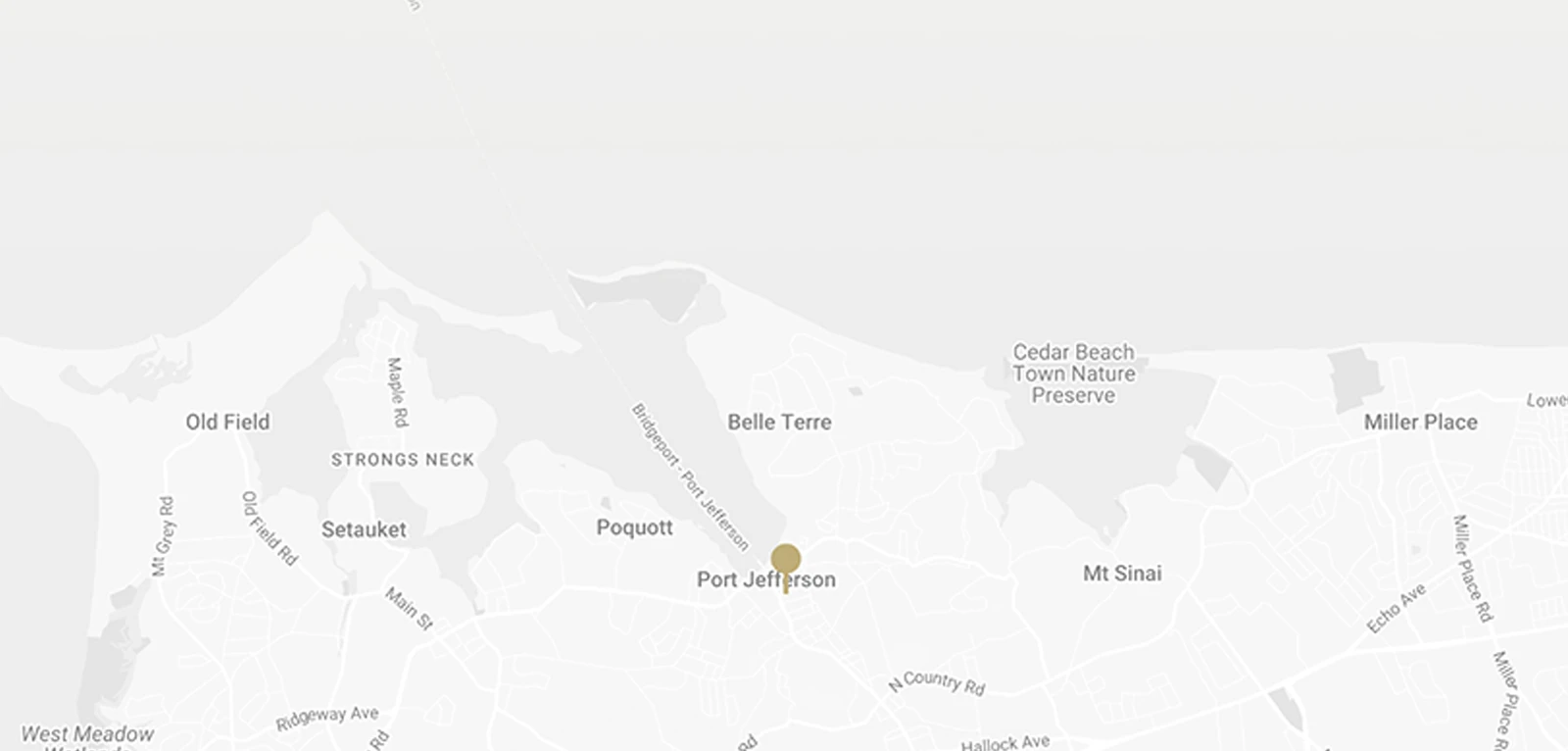
If your legs ache by dinnertime or feel swollen after hours on your feet, you may just assume that it’s your busy fall schedule taking its toll. However, these sensations may point to something that you should be paying attention to. At the Varicose Vein Center in Port Jefferson, Dr. Jerry Ninia has spent more than three decades helping Long Island parents understand what their legs are trying to tell them.
Why Do Busy Parents Overlook Vein Symptoms?
Parents are used to putting everyone else first. When your day revolves around getting your kids to where they need to be, all the while juggling work and your other responsibilities, a little leg discomfort may not even register as a problem worth mentioning to your doctor.
The way symptoms behave can also make it hard to take them seriously. Vein-related discomfort is often mild in the morning before increasing in the evening, so it doesn’t feel that urgent compared to the ever-growing list of to-dos. By the time your legs feel heavy at night, you are ready for bed. The next morning you feel fine, and then the cycle repeats.
What Symptoms Are Parents Ignoring?
Vein problems don’t always mean visible bulging veins. Plenty of people have symptoms even when their skin looks completely normal. Some signs you might be ignoring during this hectic season include:
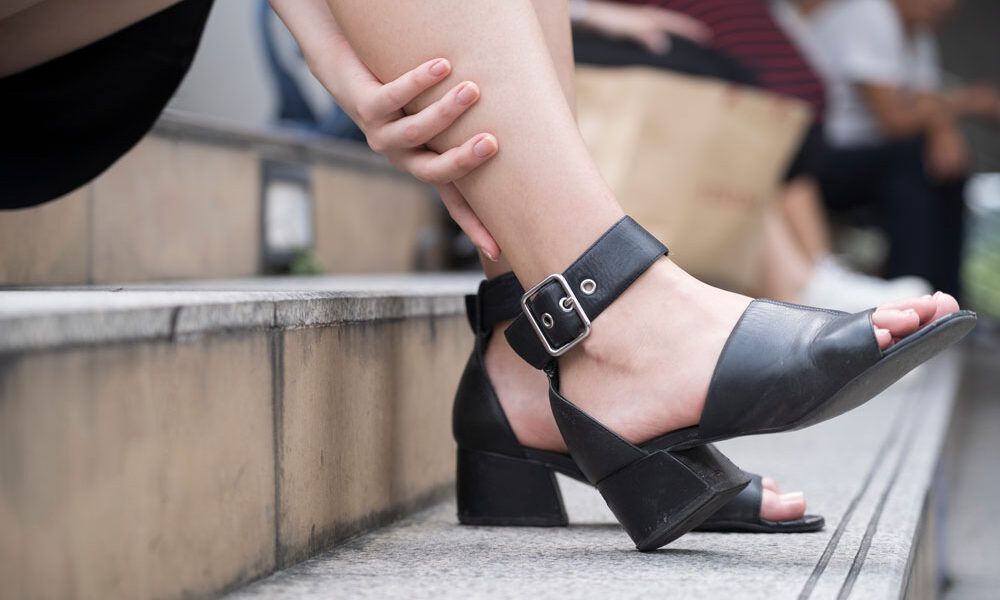
- Legs that ache or feel tired after standing for a while
- Swelling around the ankles and lower legs, usually worse in the evening
- A heavy, weighed-down feeling that makes the stairs harder than they should be
- Nighttime cramping or a restless urge to keep moving your legs
- Burning or tingling that comes and goes
It can help to notice how often these show up and whether they’re becoming more frequent. If your discomfort eases when you put your legs up and comes back when you’ve been upright or sitting in a chair too long, this is especially telling.
Cosmetic Problem or Medical Condition?
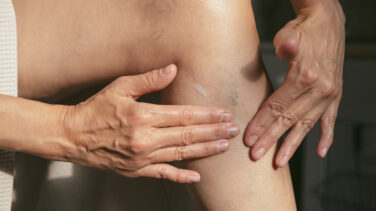
There is a common misunderstanding that visible veins like varicose veins are just a cosmetic problem and that there is no point treating them if you don’t mind the way they look.
However, visible veins and the symptoms that accompany them are a sign of how your veins are working. When the small valves inside your leg veins weaken, blood isn’t moving as efficiently anymore. It pools instead, raising pressure in your legs and creating discomfort. This is a condition called venous insufficiency, and it can get worse with time.
Even spider veins, which most people accept as a surface issue, can be a sign that your circulation isn’t as effective as it used to be. Treatments for affected veins are medical, meaning most are covered by insurance.
Why Waiting Can Cause More Problems
Vein disease does not heal on its own, and the valve problems that started small gradually worsen, with symptoms that increase.
If visible veins are left for too long, the pressure and poor circulation can cause skin changes near the ankles, including open sores that heal slowly.
Catching things early can make treatment simpler. Dr. Ninia starts with a painless ultrasound that looks at how blood is moving through the legs and gives him a clear picture of overall vein health before considering any procedures.
Vein Treatments That Fit a Busy Schedule
Modern vein treatment looks nothing like what surgery looked like when your parents were your age. Thirty years ago, the only way to treat varicose veins was an invasive surgery called vein stripping that was extremely painful and took weeks to recover from. Dr. Ninia was already practicing at this time and got to see firsthand the effect these treatments had on patients.
Eventually, however, patients started to have more options that have less downtime and are far less uncomfortable. Depending on your evaluation, you may have options like VenaSeal, which seals problem veins with a medical adhesive, or Varithena, a foam treatment that closes them from the inside. Endolaser vein therapy uses precise heat to treat larger faulty veins, while sclerotherapy clears smaller spider veins with a simple injection.
Ask Dr. Ninia
Is aching in my legs just a normal part of being busy?
Sometimes tired legs are only tired legs. But when the aching and swelling show up at the end of nearly every day and ease once you elevate your legs, that pattern is worth having checked. It often points to a vein issue rather than everyday fatigue.
My mother had varicose veins. Does that mean I will too?
Family history is one of the strongest risk factors I see. It does not guarantee you will develop the same problems, but it does raise your odds, so I encourage patients with that background to pay attention to early symptoms.
I do not have bulging veins, only achy legs. Could it still be my veins?
Very possibly. Some of my patients have significant symptoms with very little showing on the surface. That is exactly why I recommend an evaluation instead of guessing based on appearance.
Is this kind of treatment covered by insurance?
When treatment is medically necessary, it usually is. My team helps patients sort out their coverage ahead of time so the cost is not a mystery going in.
Schedule a Vein Consultation This Fall in Port Jefferson, NY
The school-year rush is a demanding time, but it is also a good moment to finally do something for yourself. You do not have to keep pushing the discomfort aside. If your legs have been trying to get your attention, an evaluation is a small step toward feeling better through the seasons ahead.
Call the Varicose Vein Center in Port Jefferson at 631-474-1414 or request your consultation online to schedule a visit with Dr. Ninia.