VenaSeal™ vs. EVLT: Comparing Two Modern Varicose Vein Treatments
Heavy legs that ache by evening, swelling that gets worse after a day on your feet, ropey bulges and skin changes can all be traced back to the same underlying problem. At the Varicose Vein Center, Dr. Jerry Ninia has spent more than 30 years correcting vein problems and uses minimally invasive tools in Port Jefferson to improve his patients’ health.
Two of the most effective are VenaSeal and endolaser vein therapy. Both close faulty veins, but in two very different ways.
Why Do Varicose Veins Need Treatment?
Varicose veins form when the one-way valves inside your leg veins weaken and let blood pool instead of flowing back toward your heart as they are intended to do. The backward flow, also called venous reflux, raises pressure inside the vein and produces the aching heaviness that many people just assume is a normal part of aging or overworking themselves.
However, reflux tends to get worse when it’s left alone, and it leads to bigger problems like skin discoloration and slow-healing sores near the ankle. Faulty veins don’t repair themselves, so if you want lasting correction, you have to find treatments that reroute blood flow to healthier veins nearby. If you have leg pain and swelling, you should have it checked out quickly rather than waiting until it gets worse.
What EVLT and VenaSeal Have in Common
- Same Goal: Each treatment permanently closes the diseased vein so your body sends blood through healthy neighboring veins instead.
- Same Setting: Both are office procedures performed with ultrasound guidance, usually finished in under an hour.
- Same Anesthesia: Both use local numbing medication, so you stay awake and comfortable and walk out on your own afterward.
- Same Coverage: When your vein disease causes medical symptoms, most insurance plans cover both treatments, and we verify your benefits before anything is scheduled.
- Same Alternative to Surgery: Both replaced older vein stripping surgery, which extracted veins through incisions and required weeks of recovery.
How EVLT Works
Laser Heat to Seal the Vein
During endolaser vein therapy, Dr. Ninia uses a thin laser fiber, guiding it into the diseased vein through a small puncture in the skin. The fiber delivers heat that damages the inner lining of the vein and makes the walls collapse and seal. Blood stops flowing through that vein, and your body gradually absorbs the tissue.
Patient Sensations
The area around the vein is numbed before the laser starts its work. You may feel warmth while the fiber is working, but no pain. The heat is not enough to damage any of the surrounding tissues, just the vein.
Recovery After EVLT
You wear a compression stocking continuously for the first 24 hours and take a short walk around the office before heading home. Some bruising and aching are common for roughly two to three weeks as your body works on breaking down the vein. You can expect a follow-up ultrasound about one week later to confirm that the vein has closed properly.
What the Research Shows
Laser ablation has a long and well-documented track record. Peer-reviewed studies in the medical literature report success rates above 95 percent, frequently after a single treatment, with closures that have held up over years of follow-up.
How VenaSeal Works
Medical Adhesive to Close the Vein
VenaSeal closes the vein with a small amount of medical adhesive. Dr. Ninia inserts a slim catheter into the vein, then places droplets of the adhesive along its length while applying gentle pressure from outside so the walls bond together.
No Heat
This treatment is heat-free and does not involve the use of chemical sclerosing agents. Numbing fluid is not needed during the treatment, and it is a comfortable way to address visible veins that no longer function properly.
Recovery After VenaSeal
You can return to your normal activities on the same day. Compression stockings are optional with VenaSeal, which can mean a more convenient recovery for many people. You may notice tenderness at the entry point that will fade within a few days.
What the Research Shows
In the five-year VeClose extension study following the original VeClose trial, 91.4 percent of veins treated with VenaSeal remained sealed, holding up as well as radiofrequency ablation, and most returning patients had dropped to a lower disease severity than where they started.
A Quick Comparison
| Treatment Comparison | EVLT | VenaSeal |
|---|---|---|
| Closure Method | Laser heat | Medical adhesive |
| Compression After | Stockings for at least 24 hours | Stockings optional |
| Recovery | Quick return to activity, with two to three weeks of bruising | Quick return to activity, usually with less bruising |
| Best Vein Shape | Large, straight veins | Large, straight veins |
How Does Dr. Ninia Choose the Right Procedure?
- Large, Straight Veins: Long straight veins can include the great saphenous vein, the main vessel running up the inner thigh, and the veins that branch off of it. Both laser treatments and VenaSeal are well-suited to this type of vein because there is a clear path for the laser fiber and catheter.
- Twisted Veins: If the vein is tortuous, or twisted, Dr. Ninia might choose a different method like injectable foam or vein removal rather than laser treatments or VenaSeal, which both require access to the entire vein using a catheter or fiber.
- Ultrasound Results: Ultrasound results inform all of Dr. Ninia’s treatments. Vein ultrasounds can show the structure of the veins along with the direction of blood flow and how well the vein valves are working. He is a Registered Vascular Technologist, which means that he can perform and read the scans himself.
Other Options for Treatment
Not everyone needs a procedure right away. If your symptoms are mild, Dr. Ninia may start with conservative measures such as compression stockings and daily walking, and insurance companies usually require a documented trial of compression before they approve a procedure. He will be candid about what you need and what you do not. Once the main vein is closed, leftover branch veins can be smoothed out with sclerotherapy or Varithena foam, and spider veins can also be treated.
Schedule a Consultation in Port Jefferson
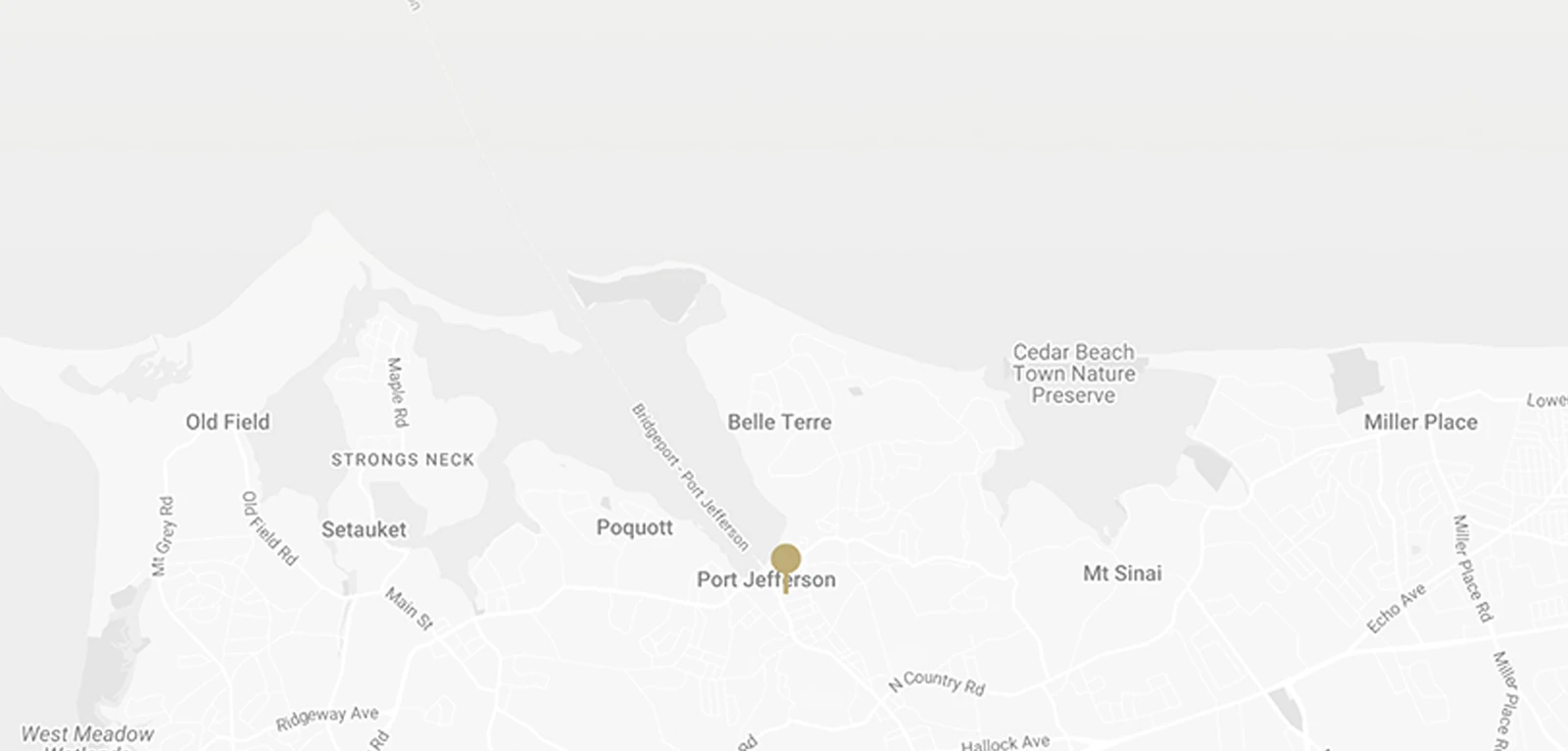
The easiest way to learn which treatment is best for your veins is to schedule a consultation and let Dr. Ninia evaluate your legs and explain your options. At the Varicose Vein Center in Port Jefferson, Dr. Ninia handles the full range of vein care under one roof, from diagnostics to treatment. Call 631-474-1414 or request your visit through our website to get started.