
We often have patients come in who have lived for weeks with a leg that is swollen and uncomfortable or a calf that aches deep down when they are trying to rest in the evening. Changes in the legs are easy to ignore when you’re juggling a busy schedule, but they can be the first signs of deep vein thrombosis, a condition in the leg veins that requires prompt attention. At the Varicose Vein Center, Dr. Jerry G. Ninia has spent more than three decades helping Long Island patients make sense of what their symptoms are telling them. He can help you take the next step.
What Is Deep Vein Thrombosis?
Deep vein thrombosis (DVT) is when a clot develops in a deep vein in the leg. Your legs carry blood through different types of veins. Some veins are close to the surface of the skin, while others are deep veins that carry blood further inside the leg and are surrounded by muscle. DVT occurs in these veins.
A clot in this location is notable for a couple of reasons. It can slow or block the flow of blood through the leg and cause swelling and discomfort. More seriously, a piece of the clot can break loose and travel to the lungs where it can become a more dangerous condition called a pulmonary embolism, or a clot in the lungs. A suspected DVT should never be left to resolve itself.
What Are the Symptoms of DVT?
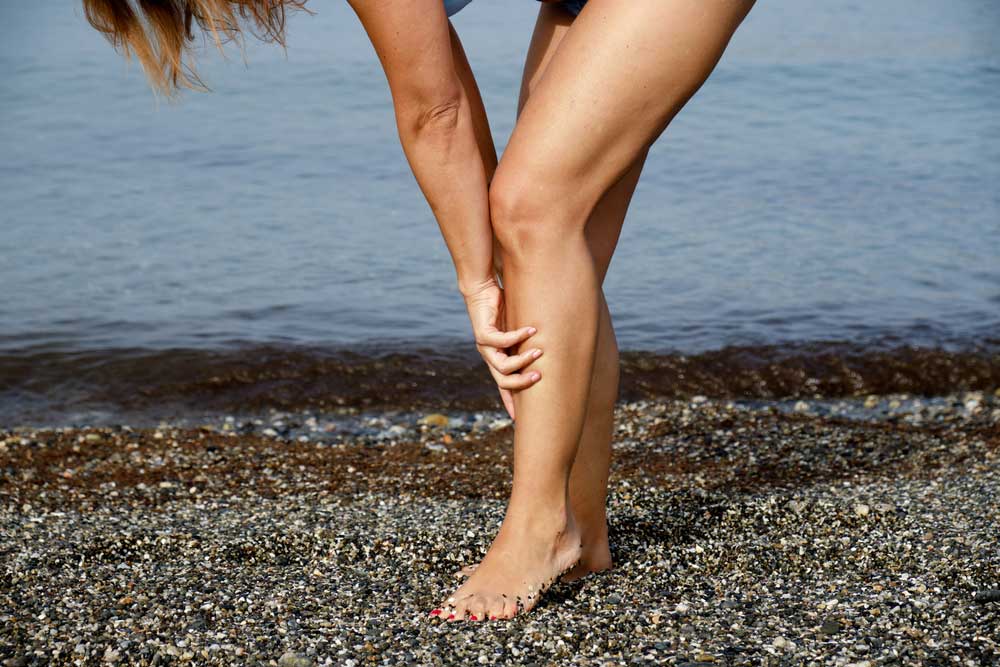
DVT is not always an obvious condition. Sometimes patients notice very little, but others may experience noticeable symptoms. When changes are apparent, they are usually on one leg rather than both at once. Watch for:
- Swelling in one leg that comes on without an obvious reason
- Aching or tenderness that often starts in the calf
- Skin that feels warm where the discomfort is
- Red or darkened patches over the area
- A cramping, heavy feeling that does not ease with rest
When to Seek Emergency Care
While they should be evaluated right away, most cases of DVT are handled without an emergency, but certain signs mean you need immediate help. If you notice sudden shortness of breath, chest pain that worsens when you breathe, a racing heartbeat, or if you start coughing up blood, call 911 or get to the nearest emergency room right away, as these are signs of a pulmonary embolism.
What Causes DVT?
A clot forms when blood moves too slowly, when a vein wall is injured or when the blood is more prone to clotting than usual. Sometimes these causes can occur at the same time. Long stretches of sitting are a common trigger, which is why a DVT sometimes follows a long flight or surgery. Several other factors can raise your risk, including:
- Long hours seated at a desk
- Recent surgery or a hospital stay
- An injury to the leg
- Pregnancy and the period after delivery
- Hormone therapy or certain birth control
- Carrying extra weight
- Getting older
- A personal or family history of clots
- Smoking

How Is DVT Different From Varicose Veins?
A clot and varicose veins are not the same problem, though they have quite a few risk factors in common. Both also involve veins in the legs, but they differ in which veins are affected and what is happening inside them.
A clot and varicose veins are not the same problem, though they have quite a few risk factors in common. Both also involve veins in the legs, but they differ in which veins are affected and what is happening inside them.
How Is DVT Diagnosed?
DVT diagnosis will start with discussing your situation with Dr. Ninia, including your health history and any symptoms you’ve been experiencing. He will examine the leg that is bothering you and ask you a few questions. From there, his most useful tool is the diagnostic ultrasound. This device shows him how the blood is moving through your legs using sound waves, and it is completely painless for you. Ultrasounds also take place right here in the office, and Dr. Ninia both performs and interprets the ultrasound on the spot so you don’t have to wait for days to hear your results.
How Is DVT Treated?
Treatment will depend on where the clot is and how it is affecting you, with the goal of protecting you from pulmonary embolism. Treatments include:
Medication
Blood thinners are a common starting point. They keep an existing clot from getting bigger and lower the odds of new ones forming while your body gradually reabsorbs the clot.
Compression Therapy
Fitted compression stockings support healthy blood flow in the lower legs. They can also help to ease the swelling and aching that can come from deep vein thrombosis.
Caring for Other Veins
Once a clot is resolved, Dr. Ninia may recommend treating other veins with weakened valves with options such as sclerotherapy, VenaSeal, Varithena or endolaser vein therapy. These are treatments used for chronic venous insufficiency and varicose veins, and not everyone with DVT will need them.

Long-Term Effects: Post-Thrombotic Syndrome
For some people, deep vein thrombosis can continue to cause lasting effects even after the clot itself is gone. This is known as post-thrombotic syndrome, and it happens when the clot has damaged the valves inside the vein. The result can be ongoing swelling, discomfort, heaviness and changes in the skin of the lower leg.
Staying on top of your vein health is a good way to limit these effects. If you are dealing with leg pain, swelling and heaviness or early leg ulcers, those concerns can be managed too.
Frequently Asked Questions
Can a DVT go away on its own?
A clot should always be evaluated by a physician. Your body can break down a clot over time, but this should only be done under your doctor’s supervision to avoid the risk of any serious complications.
How can I lower my risk of DVT?
Move regularly, stay hydrated, take breaks on long trips and talk with your doctor about any personal risk factors.
Does insurance cover a vein evaluation?
Most vein evaluations and medically necessary treatments are covered. Our team will help you understand your benefits.
Book Your Consultation at the Varicose Vein Center
Do not wait on leg swelling or pain that will not go away. Reach the Varicose Vein Center in Port Jefferson, NY, at 631-474-1414 or fill out our online form to arrange a thorough vein evaluation with Dr. Ninia. Getting answers early is the best thing you can do for your legs.
Give us a call
Monday - Friday
9:00 a.m. - 5:00 p.m.
405 E Main Street
Port Jefferson, NY 11777