How Does VenaSeal Compare to Other Vein Treatments?
VenaSeal is just one of several ways to close a diseased vein. Dr. Ninia will determine which method best fits your vein and current lifestyle.
VenaSeal vs. Laser
Endolaser treatments close the vein with heat sent through a thin fiber. VenaSeal uses a medical adhesive instead. Because there is heat involved with laser treatments, you will need numbing injections placed along the vein to improve comfort, and laser patients often have to wear compression stockings after the treatment. Lasers have a longer track record, but both are reliable choices for vein removal.
VenaSeal vs. Varithena
Varithena is a medical foam rather than an adhesive that is injected into the vein, collapsing the walls and sealing it shut. Foam can reach twisting or branching veins that are harder to treat with a catheter, so Varithena may better suit veins with an irregular shape. Varithena treatments also typically include the use of compression stockings after the appointment.
How Dr. Ninia Chooses the Right Treatments
None of the treatments we offer are right for everyone. The decision-making process starts with the ultrasound, which Dr. Ninia performs himself. This will show the size and location of the faulty vein. He will use this information along with factors like your health history and current medications to recommend a treatment plan. He will also ask you what you are hoping for in terms of the results and recovery process.
Is VenaSeal Right for Me?
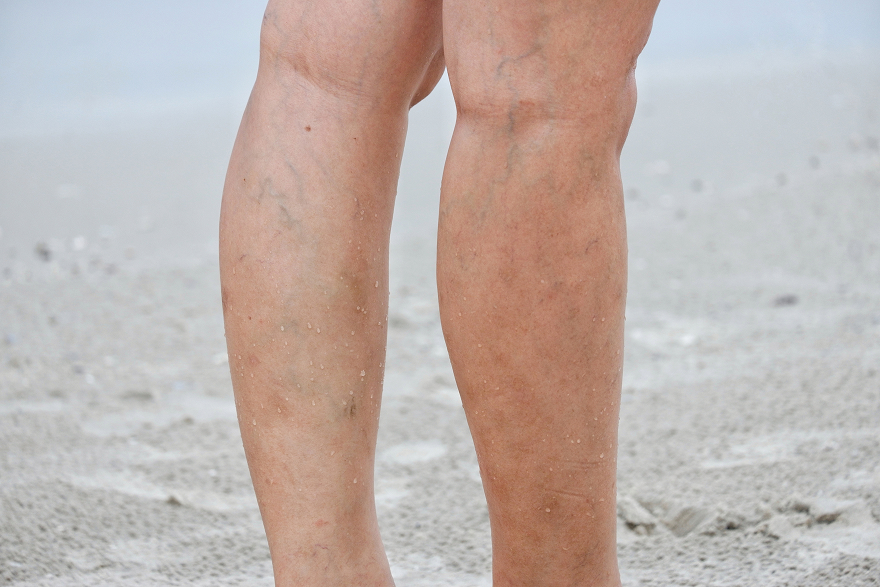
VenaSeal is an excellent option for many people dealing with varicose veins and their symptoms. You may be a good candidate if:
- You have visible varicose veins
- Your varicose veins cause symptoms like aching, heaviness or skin changes
- You’ve tried compression stockings or other conservative treatments with little relief
- You’re looking for a procedure with minimal downtime
The only way to know for sure is to schedule a consultation. Dr. Ninia will evaluate your condition and walk you through your treatment options, whether that’s VenaSeal or something else better suited to your needs.
Who May Not Be a Candidate for VenaSeal?
VenaSeal suits most people with varicose veins, but it is not right for everyone. You may need another approach if you have a known allergy to the adhesive or have reacted in the past to similar surgical glues.
Active infection or inflammation around the vein will rule out this treatment until it is addressed, and a current or recent blood clot may mean different timing or another treatment may be best.
Some veins may be too large or oddly shaped for the adhesive to work well. When VenaSeal is not a good fit, another option almost always is.
What to Expect From Insurance Coverage
Varicose vein treatment is medical care, and most plans cover it when your veins cause symptoms. Insurers will want documented symptoms such as aching or swelling along with an ultrasound that confirms a faulty vein, both of which we can provide.
Usually, you will need to complete a 12-week trial of conservative care, including compression stockings, to gain insurance coverage for VenaSeal. Coverage and out-of-pocket costs vary by plan, and we will help you through the process.