As the summer heat in Long Island shifts to cooler temperatures, some people notice their legs feeling a little lighter. Hot temperatures can sometimes contribute to symptoms like end-of-day swelling and heaviness, but the relief can be misleading in certain situations.
Underlying circulation problems can still be a problem for many, even when symptoms ease. At the Varicose Vein Center in Port Jefferson, NY, Dr. Jerry Ninia often sees a rise in the autumn in patients who are ready to take their vein health seriously. Fall is one of the smartest times of the year to treat varicose veins.
Why Should You Treat Varicose Veins?
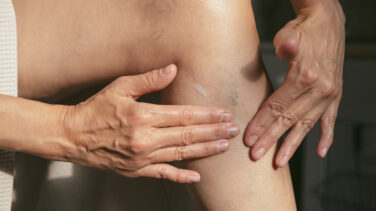
Varicose veins are sometimes dismissed as a cosmetic nuisance, but they are a sign of an underlying medical condition called venous insufficiency and should never be ignored. When the small valves inside your leg veins stop working the way they should, blood pools in the legs instead of flowing back toward the heart. This increases the pressure in the calves and can lead to swelling and aching, and eventually even changes to the skin. If you treat the problem early, you will be protecting your long-term health.
What Summer Can Do to Your Veins
Warm months are hard on weakened veins, because the heat causes blood vessels to widen, which can make varicose veins bulge more and ache more intensely by the end of the day. If you have to spend long hours on your feet, or there are long stretches of travel on your way to summer destinations, this will also cause more strain on your venous system. Many people spend the whole season trying to manage their swelling and discomfort without realizing that there are more long-term solutions.
Why Fall Is the Ideal Treatment Window
Compression Stockings Are Easier to Wear in Cool Weather
After most vein procedures, patients have to wear garments called compression stockings that put pressure on the legs and support healing. They reduce pain in the first days and help patients return to daily activity sooner. Anyone who has tried pulling on these snug stockings during a July heat wave knows how uncomfortable they can be. Fall makes them much more bearable because you can keep cool while your legs recover.
Recovery Fits the Cooler Season
A summer that is packed with beach days and outdoor plans makes downtime hard to find. Fall comes with a natural change of pace, with fewer events on the calendar, and it becomes much easier to schedule a minimally invasive treatment before the busyness of the holiday season begins. Our procedures require very little recovery, so you can ease back into your routine quickly.
Less Sun Exposure Supports Better Healing
Sun interferes with healing after certain vein treatments, especially sclerotherapy. Treated areas are more likely to darken or discolor when they get too much sun in the weeks that follow. During fall, you will bring back your jeans, and your legs will spend less time in the direct sunlight. Your skin will have a better chance to heal.
Your Legs Feel Better Before Next Summer
Vein treatment takes time to work because your body needs time to reroute blood flow and dissolve the treated veins. Starting in fall gives you many months to heal, so you can move into spring and summer feeling more comfortable.
How Waiting Through Winter Can Make Varicose Veins Worse
It can be tempting to push your treatment out until the new year, but varicose veins tend to progress rather than improve. A long-term project called the Edinburgh Vein Study followed patients for more than a decade and found that those with existing varicose veins or venous insufficiency saw their condition worsen over that time. Waiting can mean more swelling and discomfort, along with skin changes that become harder to treat later.
Fall Timing and Your Insurance Coverage
Fall can also be a good financial choice, as well as a sound medical one. Here are a few things to consider regarding vein treatment and cost:
- Most Vein Treatments Are Medically Necessary: When you have symptoms like swelling or aching, treatment is usually considered medical care and covered by insurance rather than billed as cosmetic.
- Conservative Treatments Are Often Required First: Many insurers ask patients to try compression stockings for a set period before approving a procedure, so beginning your evaluation now keeps that timeline moving.
- Your Deductible May Already Be Met: If you have used medical care earlier in the year, treating in fall can mean lower out-of-pocket costs while your benefits are still active.
- Flexible Spending Dollars Expire: FSA funds often reset at year-end, so fall is a practical time to put any remaining balance toward care you truly need.
- Beat the Year-End Rush: Appointments fill quickly as the holidays approach, and scheduling early helps you finish treatment before that busy stretch.
Treating Varicose Veins With the Help of a Seasoned Provider
Dr. Jerry Ninia has spent more than 34 years focused on vascular medicine and has performed thousands of procedures for patients across Long Island. He is dual board-certified in phlebology and OB/GYN, a Fellow of the American College of Surgeons and a Registered Vascular Technologist. Beyond his own practice, he lectures internationally and teaches other physicians how to care for veins safely.
Dr. Ninia is proud to have been serving vein patients for long enough to watch treatments change from invasive and painful procedures to today’s minimally invasive options.
Book Your Fall Vein Evaluation in Port Jefferson
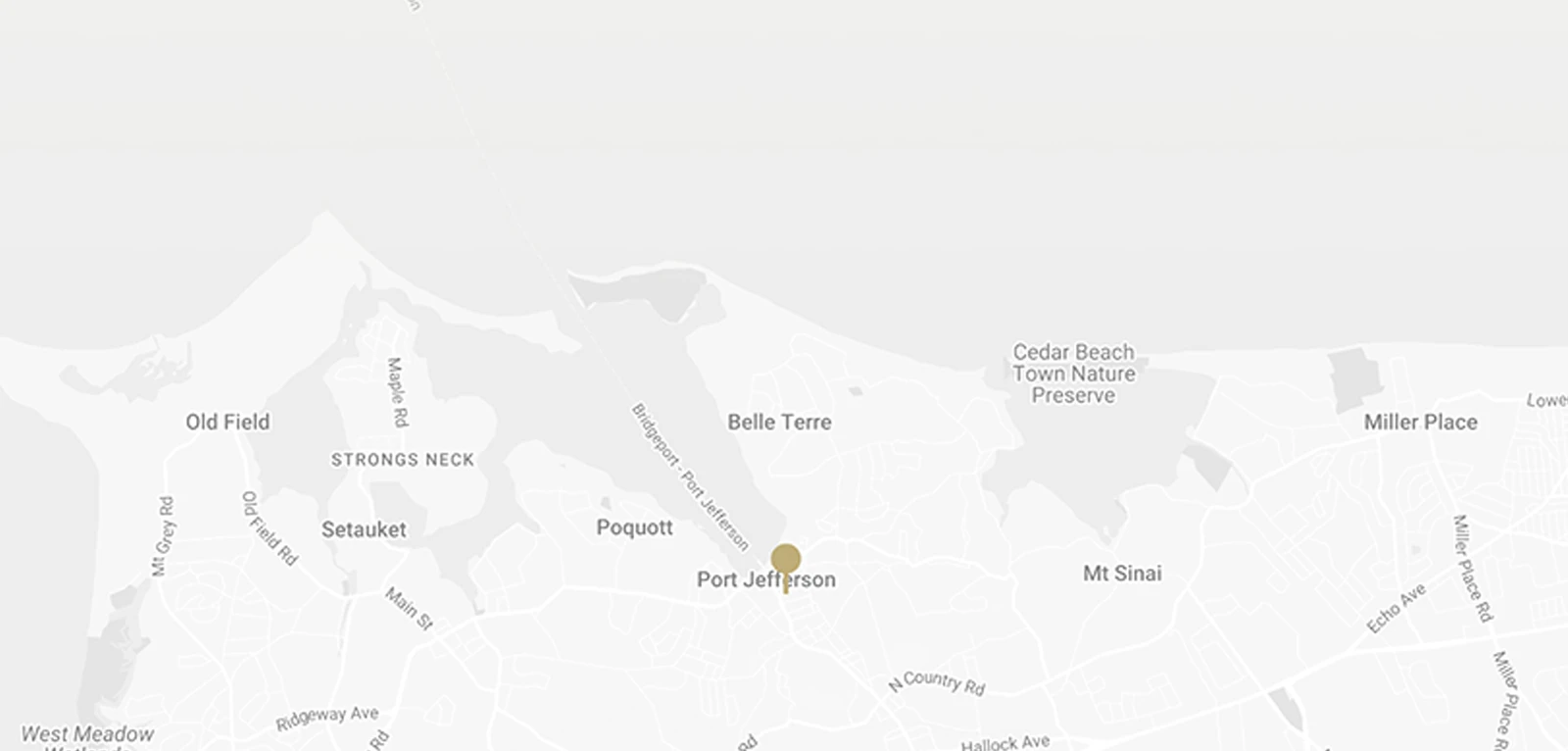
There has never been a better time to start feeling relief. If your legs have been aching or slowing you down, Dr. Ninia is ready to help at Varicose Vein Center. We will verify your insurance benefits up front and guide you through every step of the process. Call us today at 631-474-1414 or stop by our office at 405 E Main Street in Port Jefferson, NY, to schedule your consultation.