If you have been dealing with achy, bulging veins, chances are you have wondered what treatment might cost you. This is one of the first questions patients bring through the door at Varicose Vein Center. Fortunately, insurance often helps, as varicose veins cause symptoms that go far beyond aesthetics. In Port Jefferson Village, Dr. Jerry Ninia and his team help patients work through insurance coverage questions every day and will make it as easy as possible for you to get the treatment you need.
Will Your Varicose Vein Treatment Be Covered By Insurance?
Most insurance providers make decisions about coverage for vein treatments based on necessity. When varicose veins cause pain and swelling or other symptoms that affect your health, the care is considered medically necessary, and insurance companies will cover a share of it. Every plan is a little different, so finding out the details from your insurance provider is a good place to start.
Why Varicose Veins Count as a Medical Condition
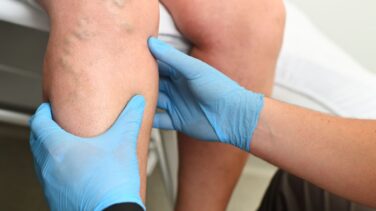
Varicose veins are not merely cosmetic, but many patients assume this and avoid seeking the care they need because of this assumption. These twisted veins often point to a deeper circulation problem that, when left untreated, can lead to complications in the future.
Venous Reflux Is a Circulatory Problem
Healthy leg veins have the job of carrying blood upward toward your heart after it has circulated into your legs and feet. They use tiny one-way valves that close as the blood moves upward to keep it from descending. These valves can weaken and not close properly, which causes blood to leak backward and pool inside the vein, a condition known as venous reflux. The added pressure of pooling blood causes veins to stretch and bulge, and there is a mechanical breakdown in your overall circulation.
Symptoms Go Far Beyond Appearance
Varicose veins are visible, but the real problems are felt instead of seen. Your legs may feel heavy and tired by the end of the day, especially if you have a day when you are sitting more than usual or standing in the same position. Some people deal with a persistent aching or burning sensation in the leg with the affected vein, while others notice swelling and restless legs that make it impossible to get enough comfortable rest at night.
Chronic Venous Insufficiency Can Follow
Venous reflux can progress into chronic venous insufficiency, an advanced stage of vein disease that is long-term and causes reduced circulation in the legs with symptoms like swelling and skin changes. At this point, the skin around the ankles may darken or thicken, and some patients develop open sores called venous ulcers. These complications are plainly medical, and they are also much easier to avoid when veins are treated early.
Spider Veins and Insurance
Spider veins may be viewed by insurance as cosmetic, not medical, depending on whether there are any accompanying symptoms. Sometimes, insurance will cover spider vein care, while other situations may be considered medically unnecessary. At our practice, we can perform an ultrasound to look for deeper problems instead of simply treating spider veins as an aesthetic concern.
What It Means for a Treatment To Be Medically Necessary
Persistent Symptoms
Insurers want to see that symptoms are consistent, with more than just occasional discomfort. They look for ongoing pain or swelling that has lasted for weeks or months rather than a few days here or there. Make sure you keep a record of how long you have been dealing with symptoms to support your case.
Daily Life Limits
Coverage becomes more likely when your veins get in the way of the things you want to do. Maybe you are struggling to stand through a shift at work, or you have to cut your evening walk short because your legs are aching. Symptoms shouldn’t limit what you can do, and if they are, you have grounds for insurance coverage.
Skin Changes
When vein disease has caused poor circulation in your legs for months, the skin on your lower legs can begin to change because it isn’t getting the oxygen and nutrients it needs to stay healthy. Any skin changes, both in tone and texture, are a sign that the problem is starting to affect the health of your tissue. Eventually, the skin will have a difficult time healing, and you may end up with ulcers that require special care and addressing the underlying vein problem to treat.
What Insurers Typically Ask For
Ultrasound Findings
Ultrasound results provide proof of the problems occurring below the surface. A diagnostic ultrasound is painless and documents venous reflux while measuring the size of the affected vein. Sometimes, insurers look for a minimum diameter, often around three millimeters, before approving coverage.
A Trial of Compression Stockings
Many insurers require a trial of conservative care before approving a procedure. Usually, that means wearing prescription compression stockings for a set period, often around three months, to see whether they ease your symptoms. Leading vascular guidelines support compression as a reasonable first step, so this request is standard. Keep a record of the dates you wore them.
Documented Symptoms and Exam Findings
Your provider will want a clear written history rather than a quick note in your chart. That includes how long your symptoms have lasted and what the physical exam and ultrasound reveal. A well-supported file is far less likely to be questioned or denied.
Prior Authorization
Many procedures need prior authorization, which is approval granted before the treatment takes place. The office submits your records to the insurer and waits for a green light. This step can take some time, so it is wise to start early. The team at the Varicose Vein Center verifies your benefits and discusses them with you before anything is scheduled.
Which Varicose Vein Treatments Insurance May Cover
- Endolaser Vein Therapy: This minimally invasive treatment uses laser energy to close a large, symptomatic vein. Insurers commonly approve it for medically necessary cases.
- VenaSeal: This nonthermal option seals a problem vein with medical adhesive. It uses no heat and needs little recovery. Many patients with qualifying symptoms find it covered.
- Varithena: Dr. Ninia uses this prescription foam to collapse diseased veins, including the twisted ones that are hard to reach by laser. Insurers often cover it when reflux is documented.
- Sclerotherapy for Varicose Veins: An injection closes the smaller problem veins and reroutes blood to healthier ones. It may be covered when treating small, symptomatic varicose veins.
- Ambulatory Phlebectomy: This procedure removes bulging surface veins through tiny incisions. It is typically covered when it is to treat symptomatic varicose veins or chronic venous insufficiency.
Let Us Check Your Coverage With a Varicose Vein Consultation
You should not have to guess whether your treatment will be covered. The simplest way to find out is to come in for an evaluation and let the team check your benefits for you. Dr. Ninia performs every consultation himself, and he will give you straightforward answers about your veins and your options. Call the Varicose Vein Center in Port Jefferson Village at 631-474-1414 or request your consultation online to get started.