Hydration is essential for the health of your body. When you drink more water, your skin may start to look healthier, and your energy levels may climb. It can be the first line of defense against headaches and muscle cramps. If it is good for everything else, it stands to reason that it could be good for circulation and vein health.
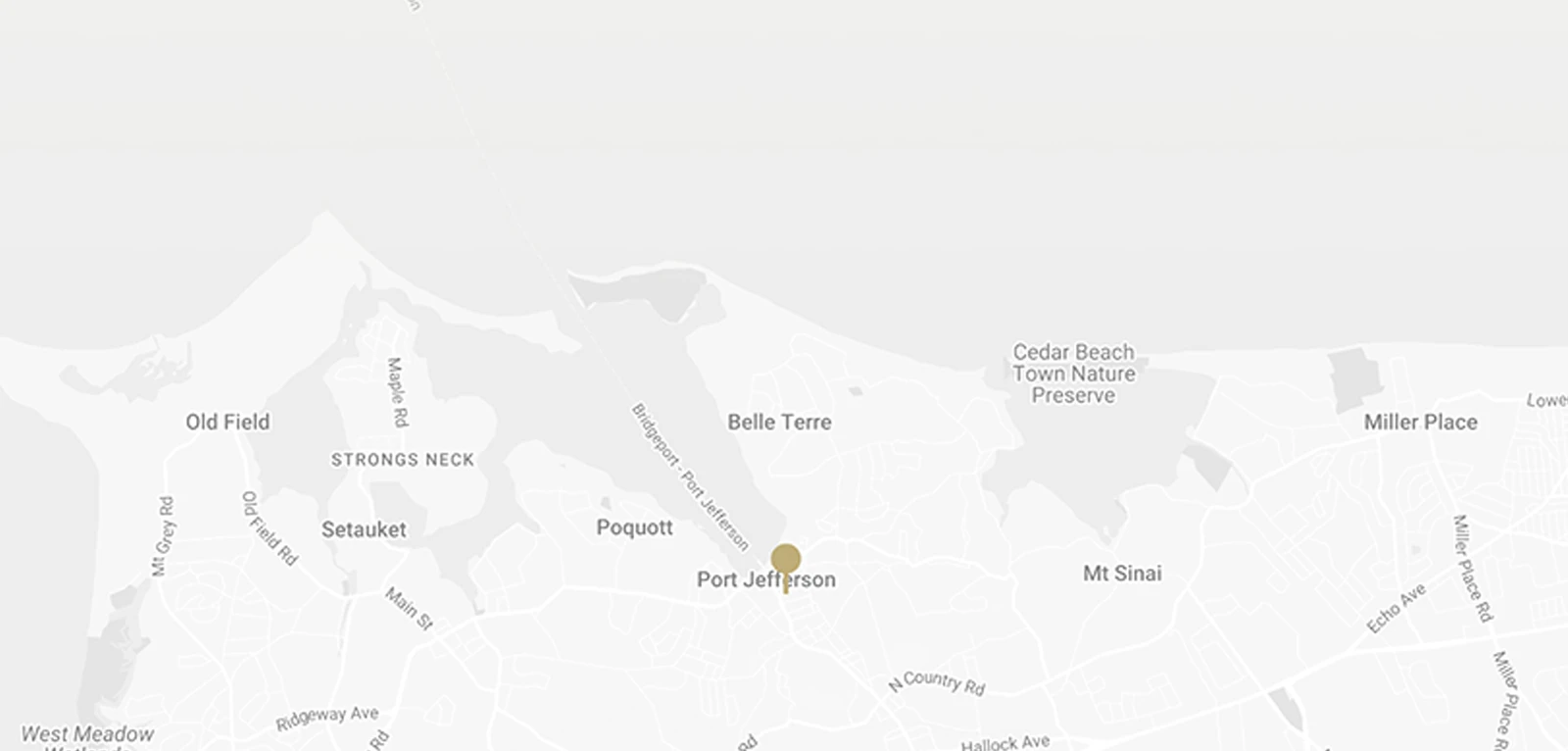
At the Varicose Vein Center in Port Jefferson, Dr. Ninia has spent 34 years helping patients improve their vein health. He is an expert in everything from lifestyle changes for vein health to minimally invasive treatments to address faulty veins. He can help determine whether a habit like drinking more water could be helpful in your situation or if you need something a little more targeted.
Does Drinking Water Improve Vein Health?
Hydration directly influences your blood. Blood is mostly water, so when you drink enough, your blood volume stays where it should be, and the blood itself stays thinner and flows more easily. When you fall behind on drinking liquids, blood becomes concentrated and thicker, forcing your circulatory system to work harder to move it along.
Leg veins have to push upward against gravity, and they rely on one-way valves and the pumping action of your calf muscles to keep circulation healthy. Anything that can help this process along is always a good idea. While hydration does have limitations when it comes to solving vein problems, it is a good tool for establishing a healthier baseline.
How Dehydration Affects Circulation and Leg Swelling
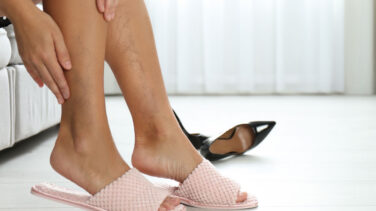
If you are dehydrated and your blood thickens, you may notice your legs feel heavy, tired or achy by the end of the day. Some people also notice mild swelling, because poor circulation makes it harder for fluid to return efficiently from the lower legs and ankles.
Heaviness and swelling from dehydration improve once you rest and rehydrate. However, these same symptoms can point to something more serious if they are recurring and don’t improve after drinking water. A pattern of leg pain, swelling, heaviness and fatigue that keeps coming back is a classic sign of venous insufficiency, a medical condition that will need more care.
Can Hydration Prevent Varicose Veins or Spider Veins?
Varicose veins and spider veins develop when the tiny valves inside your veins stop working properly, and blood begins to pool. That valve failure is caused by things like genetics, age, pregnancy, hormones and long hours on your feet. It is not caused by drinking too little water and cannot be reversed by drinking more.
Staying hydrated is a supportive habit that keeps your circulation healthy, and there is every reason to prioritize it. However, vein disease is a medical condition that can appear even when you have been doing everything you can to take care of yourself.
What Is Chronic Venous Insufficiency?
Chronic venous insufficiency is the medical condition behind most serious vein problems, and it develops when the one-way valves inside your leg veins stop closing the way they should. Instead of moving blood steadily up toward your heart, those failed valves let it flow backward and collect in the lower legs, and that pooling is what produces the bulging veins, the swelling and the heavy, aching sensation that so many patients quietly live with for years.
What is important to understand is that this is not something a lifestyle change can reverse. Once a valve fails, the vein needs a medical procedure to correct it, which is why Dr. Ninia treats these cases with options such as VenaSeal, Varithena and endolaser vein therapy. Because the underlying condition is medical rather than cosmetic, treatment is usually covered by insurance.
Other Daily Habits That Support Healthy Veins
Movement and Walking
Your calf muscles act as a pump that pushes blood back up toward your heart, so keeping them active is important for leg vein health. Walking and regular movement help, while sitting or standing for long stretches makes vein symptoms worse. If you have a job that keeps you at a desk, take time for short walks throughout the day.
Leg Elevation
At the end of the day, raising your legs above heart level for several minutes puts gravity to work in your favor and encourages any pooled blood to drain out of your lower legs. This can be done for 15-20 minutes each day, especially after a long day on your feet or at your desk.
Compression Stockings
Compression stockings apply graduated pressure that helps your veins move blood upward. Dr. Ninia may recommend them for symptom relief or after certain procedures.
Maintaining a Healthy Weight
Carrying extra weight adds pressure on the veins in your legs and pelvis, which can worsen problems that already exist. Keeping your weight in a healthy range will ease the load on your veins and support healthy circulation.
About Hydration and Vein Health
How much water should I drink for healthy circulation?
A reasonable goal for most people is around six to eight glasses a day, adjusted for your size, activity level and the weather. During warm days or heavy exercise, drink more, and consider adding electrolytes if you are losing a lot of hydration through sweat.
Can drinking more water shrink varicose veins?
Once a vein has bulged and its valves have failed, water cannot shrink it or reverse the damage that has already been done. A varicose vein is a mechanical problem that requires a medical procedure to correct.
When should I see a vein specialist?
Whenever leg heaviness, aching or swelling keeps returning, or you notice visible bulging veins, it is worth scheduling an evaluation. Other symptoms can include itching, skin changes, sores on the legs that do not heal, and restless legs at night. Dr. Ninia can pinpoint the cause of your discomfort and recommend treatments if necessary.
Schedule a Vein Evaluation Today
Drinking water is good for you, but it is not a substitute for a proper diagnosis. If your legs have been trying to tell you something, the smart move is to find out what is going on. Dr. Ninia has performed thousands of vein procedures and is recognized as a teacher and authority in the field, so you are in experienced hands. Call the Varicose Vein Center in Port Jefferson at 631-474-1414 or request your consultation online.