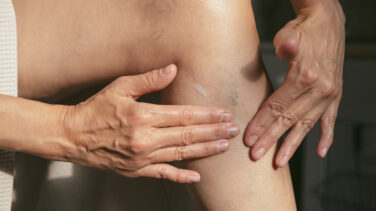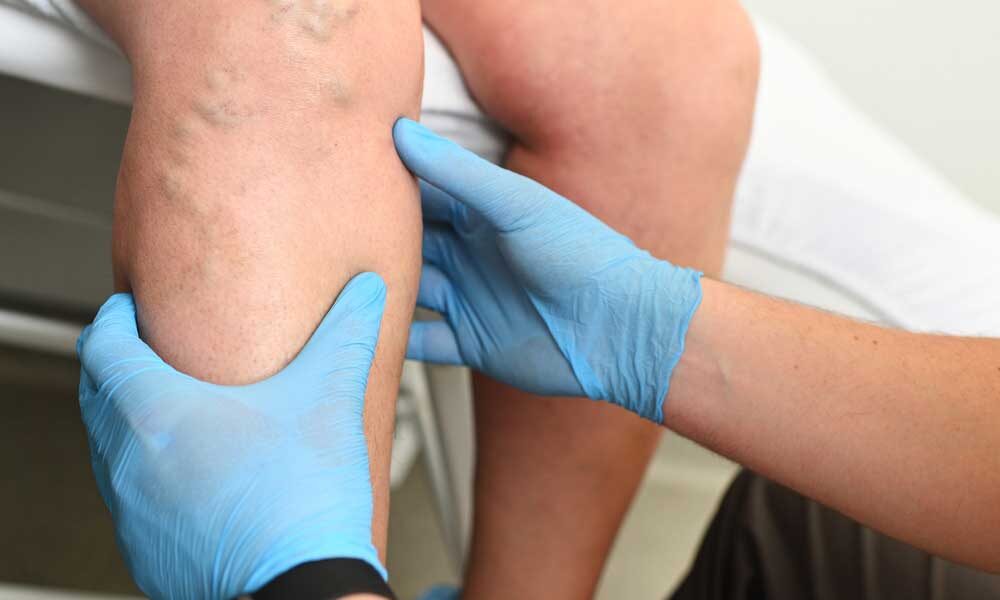
You may have noticed thin purple lines fanning out on the back of your thighs or knees, or a thick, ropey vein pushing up through the skin on your calf. Spider veins and varicose veins share a common cause, but they differ in size, symptoms and medical significance. Knowing which one you have changes the conversation about whether you need treatment, what kind and whether your insurance will cover it.
At Varicose Vein Center, Dr. Jerry Ninia has been helping patients with vein concerns for more than 30 years. He provides comprehensive vein care with no hospital stays or long recovery times.
“Patients come in all the time asking whether their veins are something serious or just cosmetic. This is exactly the right question to ask, and our priority is to get to the root of your vein concerns to promote your well-being.” – Dr. Jerry Ninia
A Quick Look at Spider Veins vs. Varicose Veins
Spider veins are tiny, flat blood vessels less than 1 millimeter wide that sit just below the skin’s surface. They look like thin red, blue or purple lines in web-like or branching patterns. They are usually painless, but in some cases can cause leg itching or aching.
Varicose veins are swollen, twisted veins larger than 3 millimeters in diameter. They push outward from the skin and often look and feel like thick cords running down the leg. They frequently cause aching, heaviness, swelling and other symptoms.
Between the two is a third category: reticular veins, measuring 1 to 3 millimeters. These bluish-green “feeder veins” often supply blood to clusters of spider veins. They are deeper in the skin than spider veins, but do not bulge like varicose veins.
| Spider Veins | Varicose Veins | |
| Size | Less than 1 mm | Larger than 3 mm |
| Appearance | Flat, web-like patterns | Raised, rope-like bulges |
| Symptoms | Usually painless | Aching, heaviness, swelling, cramping, skin changes |
| Medical Concern | None; cosmetic concern | Can indicate venous insufficiency |
| Primary Treatment | Sclerotherapy | VenaSeal, Varithena, laser ablation, phlebectomy |
| Insurance Coverage | Typically not covered | Often covered when medically necessary |
What Causes Spider Veins and Varicose Veins?
Your veins contain one-way valves that open to let blood flow toward your heart and close to prevent it from sliding backward. When these valves weaken or fail, blood pools in the vein and stretches the vessel wall.
This can happen in the larger saphenous veins or their branches, the result of which is varicose veins and spider veins. Spider veins and varicose veins are two different expressions of the same problem: venous reflux.
Who Gets Spider Veins and Varicose Veins?
Several factors increase your likelihood of developing spider veins, varicose veins or both, including:
- Family History: Genetics have the strongest influence. If both of your parents have vein disease, your chance of developing it is much higher.
- Gender: Spider veins may affect more than half of women. Varicose veins affect nearly twice as many women as men. Estrogen and progesterone relax vein walls, which is why hormonal shifts during pregnancy, birth control use and menopause all contribute.
- Age: Vein walls and valves lose strength over time, increasing the risk of varicose veins with age.
- Occupation: Jobs that keep you standing or sitting for hours put constant pressure on your leg veins. Teaching, nursing, retail and desk work are common culprits.
- Pregnancy: Your body pumps significantly more blood during pregnancy to support the baby. That extra volume, combined with the weight of the growing uterus pressing on the pelvic veins, strains the venous system. The risk increases with each pregnancy.
- Weight: Carrying extra body weight adds pressure to your leg veins that compounds over the years.
When Should You See a Doctor About Your Veins?
Spider Veins: Worth Watching
A few spider veins on their own are usually not a cause for concern. Most people have a few spider veins, and 98% of those people have mild cases with no significant symptoms. However, dense clusters of these veins are worth looking more closely at, even if they aren’t causing you pain or discomfort.
Varicose Veins: Symptoms You Should Not Ignore
If your varicose veins are causing daily discomfort, this is something that should not be ignored. You may experience aching that increases throughout the day, swelling around the ankles, skin discoloration near the lower leg and bleeding from a vein that gets bumped. All of these are possible signs of progressing venous disease.
Untreated varicose veins can lead to complications like chronic skin changes and venous leg ulcers. These conditions occur because blood flow is less effective in legs affected by chronic venous insufficiency, and the skin isn’t getting the nutrients or the oxygen it needs to effectively heal.
How Is Venous Insufficiency Diagnosed?
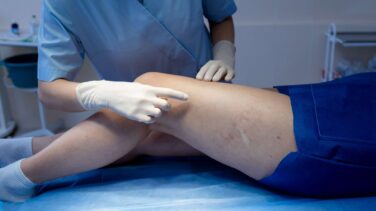
If Dr. Ninia suspects that there is something deeper going on, he will want to perform more tests to see how your blood is flowing. The most common test is a diagnostic ultrasound. This noninvasive method gives Dr. Ninia a map of your venous system and tells him which valves are working properly and which aren’t. He can watch your blood flow in real time to see how your circulation is impacted.
Spider Veins vs. Varicose Veins: How Is Each Type of Vein Treated?
Treating Spider Veins
Sclerotherapy is the gold standard spider vein treatment. A solution is injected directly into the vein, causing it to collapse and fade. It is performed in the office, takes about 15-30 minutes per session and requires no downtime.
In over 30 years of practice, Dr. Ninia has performed thousands of sclerotherapy treatments. Each session is customized based on the size and depth of the veins being treated.
Treating Varicose Veins
Varicose vein treatments have changed dramatically over the past two decades. The old approach, surgical vein stripping, required general anesthesia, incisions and weeks of recovery. Today, minimally invasive options achieve better results with less discomfort and little to no downtime.
“I was there at the beginning when vein stripping became obsolete and laser became an option. Today, I offer even more options from injectable treatments to physical removal of problematic veins.” – Dr. Jerry Ninia
The treatments Dr. Ninia offers at the Varicose Vein Center include:
- Endolaser Vein Therapy: This option uses laser energy delivered inside the vein through a thin fiber to seal it shut. The body redirects blood flow to healthy veins, and the treated vein is gradually absorbed.
- VenaSeal™: VenaSeal uses a medical adhesive to permanently close the diseased vein. It requires no tumescent anesthesia (the numbing fluid used in most other vein treatments) and allows patients to return to normal activity right away.
- Varithena™: This is a prescription microfoam injected into the vein to collapse it. It can treat veins of various sizes and is especially useful for veins that are twisted or difficult to access with a catheter.
- Ambulatory Phlebectomy: During ambulatory phlebectomy, the vein is removed through a tiny opening in the skin. This is one of the surest ways to completely remove the affected vein.
Not Sure What You’re Dealing With? Let’s Find Out
At the Varicose Vein Center, Dr. Ninia personally evaluates every patient, explains what he sees and tells you honestly whether conservative measures might help before recommending treatment. If you do need treatment, every option is available under one roof, from a quick sclerotherapy session on your lunch break to advanced minimally invasive varicose vein treatments. We only recommend treatments to patients who need them, and Dr. Ninia performs every step of the treatment himself.
Schedule your consultation at the Varicose Vein Center in Port Jefferson, NY. Call 631-474-1414 or book online.