If you have varicose veins, you may have been told that they are purely cosmetic. However, this advice keeps millions of people living with daily leg pain and discomfort when there are effective and minimally invasive treatments that can remove varicose veins without the downtime of older procedures.
At the Varicose Vein Center in Port Jefferson, NY, Dr. Jerry Ninia has spent over 34 years helping Long Island patients understand the difference between a vein that looks bad and a vein that is making them uncomfortable.
Most People With Varicose Veins Wait Too Long to Get Help
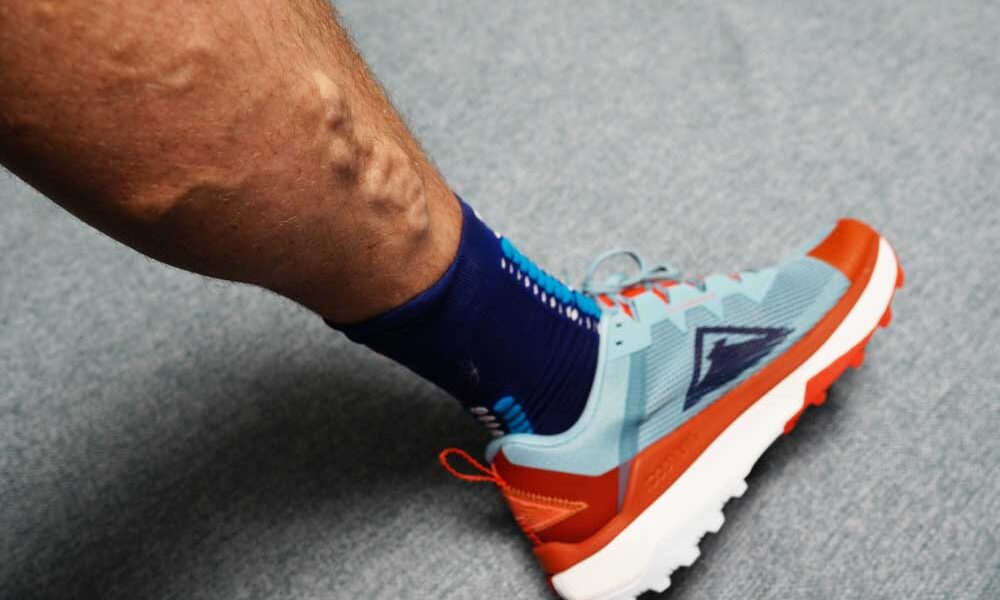
Roughly 23% of adults in the United States have visible varicose veins. That number climbs when you include spider veins and smaller reticular veins. Despite how common the condition is, many patients wait years before seeking treatment because they assume their veins are not a medical problem. The bulging appearance gets all the attention, but the real concern is what is happening beneath the surface.
There are valves inside the vein that are supposed to keep blood moving upward. Sometimes, they become broken and allow blood to flow backward and pool in the legs, a condition called venous reflux. Pooling blood in the legs is what causes pain and heaviness, and treating this condition is a medical necessity.
Signs That Your Varicose Veins May Be a Medical Problem
Symptoms That Go Beyond Appearance
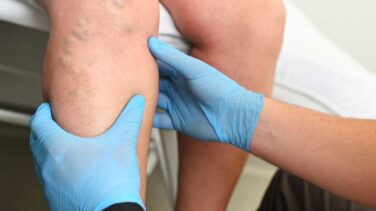
Varicose veins that cause leg pain, swelling, heaviness or fatigue are not a cosmetic issue. If your legs ache after standing for a few hours and feel heavy by the end of the workday, or if you notice swelling around the ankles by evening, your veins are not functioning correctly. These symptoms tend to worsen rather than resolve because venous reflux is progressive.
Skin Changes and Complications That Signal Progression
When vein disease advances, the skin around your ankles may darken, thicken or develop a leathery texture. If this is left untreated, it can progress to open wounds called venous leg ulcers that are slow to heal and prone to infection. In the U.S., chronic venous ulcerations cost an estimated $3 billion per year to treat and account for roughly 2 million lost workdays annually. These complications are preventable with earlier intervention.
Restless Legs, Night Cramps and Burning Sensations
Restless, itchy or burning legs are frequently blamed on aging or being on your feet all day. These symptoms can point to underlying vein disease and should be investigated with a diagnostic ultrasound. Sometimes nighttime leg cramps can be muscular, like charley horses, but they can also be related to vascular health. If your cramps are accompanied by other symptoms like swelling, schedule an appointment to check for venous disease.
What “Medically Necessary” Means for Varicose Vein Treatment
Insurance companies cover varicose vein removal when it meets their definition of medical necessity. For this to happen, three things need to be documented.
First, you need to have documented symptoms that affect your daily life, such as pain, swelling, skin changes or cramping. Second, a duplex ultrasound confirms venous reflux or chronic venous insufficiency. Third, you will need to have tried conservative treatment, typically wearing medical-grade compression stockings, without adequate relief.
What Counts as Cosmetic Vein Treatment
Not all vein treatment qualifies for insurance coverage. Spider veins, the small red or purple web-like clusters near the skin’s surface, are often considered cosmetic by insurance companies if they are not causing physical symptoms. Sometimes veins are visible, but show no evidence of reflux on an ultrasound. Dr. Ninia is straightforward about all of these situations. If a patient does not need a medical intervention, he will clearly communicate this rather than push an unnecessary treatment.
How Dr. Ninia Determines the Right Path for Each Patient
Every Consultation Starts With a Diagnostic Ultrasound
Dr. Ninia is a certified Registered Vascular Technologist (RVT), which means he personally performs and interprets every diagnostic ultrasound in the office. He does not outsource imaging to a technician and reviews results right away. You will get a complete picture of what is happening inside your venous system before having to make any treatment decisions.
Insurance Navigation Is Built Into the Process
Many insurance denials happen not because the treatment is unnecessary, but because documentation was incomplete. The Varicose Vein Center team helps with insurance verification, medical necessity documentation and pre-authorization so patients do not have to take care of the process by themselves. Most major insurance plans are accepted.
Treatment Options Covered by Insurance on Long Island
When treatment is deemed medically necessary, several minimally invasive options are typically covered:
- Endolaser Vein Therapy: During this treatment, laser energy is delivered through a thin fiber that closes large, symptomatic varicose veins from the inside. Insurance typically covers it when venous reflux is confirmed on ultrasound.
- VenaSeal™: This nonthermal option uses a medical adhesive to seal the vein shut. No compression stockings are required afterward, and most patients return to normal activity the same day.
- Varithena™: With Varithena, a prescription foam is injected into diseased veins. This treatment is well-suited for complex or twisted vein patterns that are difficult to reach with a laser.
- Sclerotherapy: Often used alongside other treatments, sclerotherapy addresses smaller residual varicose veins after the primary source of reflux has been treated.
What Happens When You Put Off Medically Necessary Treatment
Varicose veins do not improve on their own. The valves that have failed will not repair themselves, and the reflux causing your symptoms will continue to put pressure on the surrounding veins. Mild aching can develop into chronic pain. Swelling can become persistent. Skin near the ankles may break down into ulcers that take months to heal.
Nearly half of varicose vein patients have a family history of the condition, meaning if a close family member has venous disease and you are already showing symptoms, the underlying disease is likely progressing. Treating earlier is simpler, requires fewer sessions and typically leads to faster recovery.
Why Long Island Patients Trust the Varicose Vein Center in Port Jefferson
Dr. Ninia opened the Varicose Vein Center over 30 years ago in Port Jefferson Village and continued a legacy that traces back to one of the first dedicated vein practices in the country, established in New York City in the 1940s. He is double board-certified in Phlebology and OB/GYN and has delivered over 100 lectures internationally and authored textbook chapters on venous disease. His experience gives him even more compassion for his patients and shapes every interaction from the first ultrasound through follow-up.
If you are wondering whether your varicose veins are a medical problem or a cosmetic concern, the answer will come from a diagnostic evaluation. Call 631-474-1414 or request a consultation online to schedule an appointment with Dr. Ninia in Port Jefferson, NY.