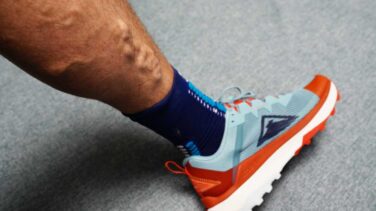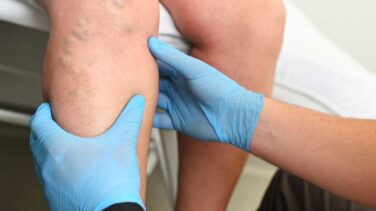
An estimated 23% of adults in the United States have varicose veins. In Dr. Ninia’s experience, many patients wait years before seeking treatment. The reason, more often than not, is fear of surgery.
For decades, the only option for treating large varicose veins was a surgical technique called vein stripping. This procedure came with much more discomfort for the patient and a longer downtime with a higher rate of recurrence.
However, modern vein therapy methods are much more comfortable and produce better results, treating the leg pain, swelling and fatigue that come with varicose veins without the downtime of surgery. Through educating our patients about these new techniques, we hope to encourage more people to seek treatment and enjoy a higher quality of life.
What Traditional Varicose Vein Surgery Involved
How Vein Stripping Worked
Traditional varicose vein removal required general anesthesia and was performed in a hospital or surgical center. The surgeon made an incision near the groin and a second one at the knee or ankle. A thin, flexible wire was threaded through the damaged vein, and the entire vein was physically pulled out through the lower incision.
The Recovery That Kept Patients Away
Recovery from vein stripping typically meant weeks away from normal activities. Patients dealt with significant bruising, wound care at multiple incision sites and a higher risk of complications. A meta-analysis of 13 clinical trials found that patients who had traditional surgery experienced bleeding and hematoma at a rate of 4.83%, wound infection at 1.91% and nerve-related numbness at 11.27%.
Why the Field Moved On
Those complication rates, combined with the need for general anesthesia and extended recovery, pushed vascular medicine toward less invasive techniques. The clinical results of surgery were acceptable, but the toll it took on patients was not.
How Endolaser Vein Therapy Changed the Standard of Care
Dr. Jerry Ninia, founder of the Varicose Vein Center in Port Jefferson, NY, was practicing vascular medicine when this shift happened. He served on the American College of Phlebology Board of Directors from 2000 to 2008, during the very period when minimally invasive laser techniques began replacing surgical vein stripping across the country. “I was there at the beginning when vein stripping became obsolete, and laser became a thing,” Dr. Ninia says.
His involvement went beyond adopting the new technology. Dr. Ninia authored textbook chapters on endovascular therapy and has delivered more than 100 lectures internationally, training other physicians in techniques he now uses daily at his Long Island practice.
Endolaser vs. Traditional Surgery Side by Side
Anesthesia and Setting
Traditional surgery required general anesthesia in a hospital. Endolaser vein therapy is performed under local anesthesia in an office setting. Dr. Ninia completes most treatments in under an hour, and patients are awake and comfortable throughout.
What Happens to the Vein
Surgery physically removed the vein from the body. Endolaser works from the inside. Dr. Ninia guides a thin laser fiber into the damaged vein through a single small puncture. The laser delivers heat that seals the vein shut. Blood naturally reroutes through healthy veins, and the body gradually absorbs the closed vein over the following weeks.
Recovery and Downtime
After vein stripping, patients were off their feet for weeks. After endolaser, patients take a short walk around the office before heading home the same day. Normal activities resume immediately, with a compression stocking worn for a period of time per Dr. Ninia’s instructions.
Complication Rates
The numbers favor endolaser. In the same meta-analysis of 2,245 limbs, endolaser patients had a bleeding/hematoma rate of just 1.28% (compared to 4.83% with surgery), wound infection of 0.33% (compared to 1.91%) and nerve disturbance of 6.73% (compared to 11.27%). Multiple studies show endolaser success rates above 95%.
Scarring and Cosmetic Outcome
Surgery left multiple visible scars from groin and leg incisions. Endolaser requires only a single puncture site that typically heals with little to no visible mark. Because many patients also have cosmetic reasons for wanting to treat varicose veins, minimal scarring is an important distinction.
What Endolaser Vein Therapy Cannot Do
No single treatment addresses every type of vein problem. Endolaser is effective for the large saphenous veins that are the root cause of most varicose vein disease, but some patients have residual bulging branch veins or spider veins that need additional attention.
Dr. Ninia’s approach is to match the treatment to the vein. Depending on the situation, he may recommend sclerotherapy, VenaSeal or Varithena to treat the veins that cannot be treated with endolaser. These options are also minimally invasive and do not involve downtime.
Signs You Might Be a Candidate for Endolaser Vein Therapy
- Visible bulging veins that have gotten worse over time: Varicose veins are progressive, meaning they will not improve on their own and typically become more symptomatic without treatment.
- Aching, heaviness or fatigue in your legs at the end of the day: These are common signs of venous reflux, the underlying circulatory problem that causes blood to pool in the lower legs instead of returning to the heart.
- Swelling in your ankles or lower legs: Persistent swelling often signals that blood is pooling due to faulty vein valves, which is exactly the condition endolaser treats.
- Skin changes or darkening near your ankles: Discoloration is a sign of more advanced venous disease and an indication that treatment should not be delayed.
- Compression stockings have not provided lasting relief: Most insurance plans require a three-month trial of compression therapy before approving endolaser.
- You have been avoiding treatment because of fear of surgery: If the thought of traditional surgery is the only thing standing between you and relief, endolaser removes that barrier.
Why the Doctor Performing Your Treatment Matters as Much as the Technology
Dr. Ninia personally performs every consultation and every treatment at the Varicose Vein Center. There are no rotating providers. He also performs his own diagnostic ultrasound as a certified Registered Vascular Technologist (RVT), which means the same physician mapping your veins is the one treating them.
Dr. Ninia has been working for more than 30 years in the field and brings the expertise of an international educator to a small, personal practice where every patient is known by name. Most treatments are covered by insurance, and his staff verifies your benefits before scheduling.
Get Expert Vein Care at Varicose Vein Center in Port Jefferson
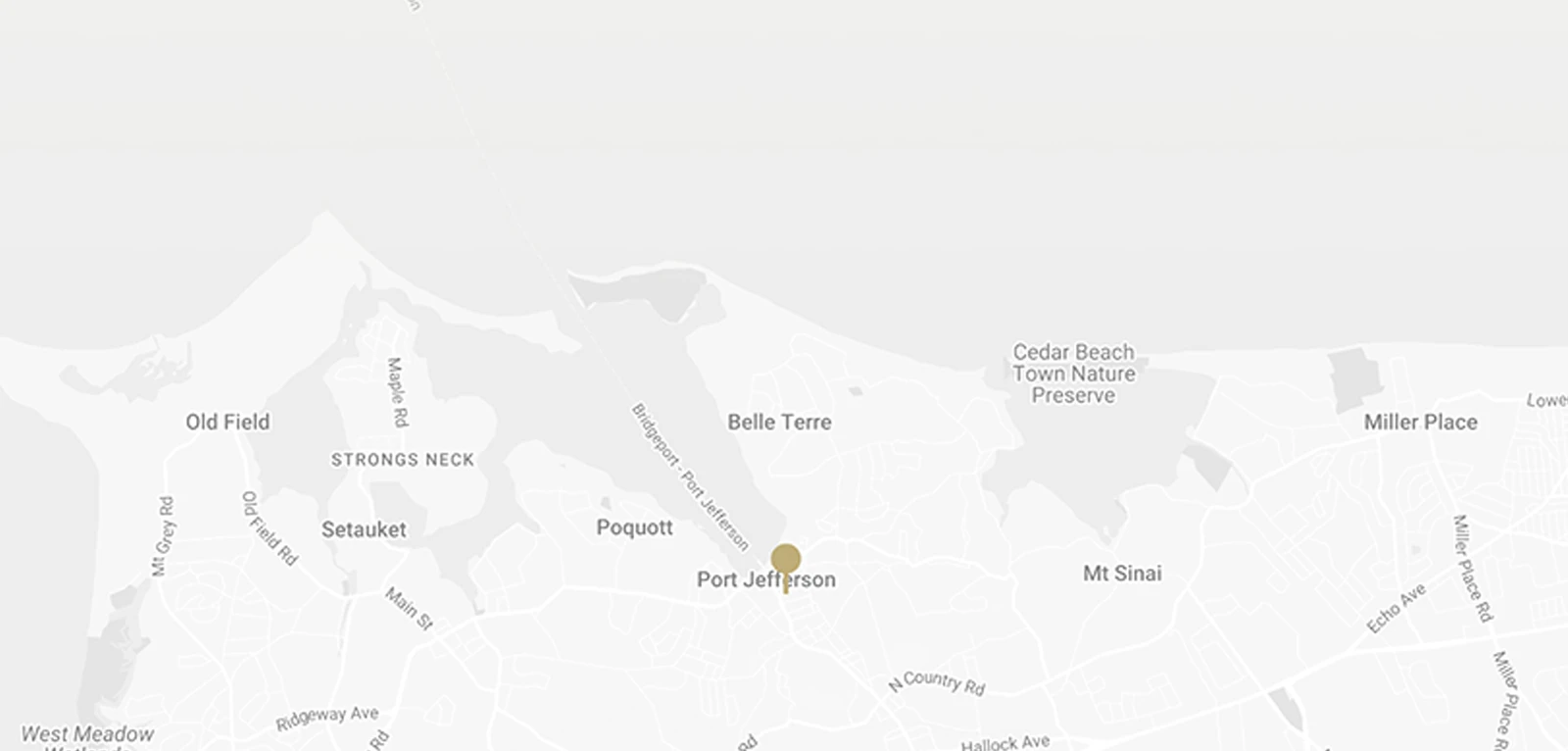
If varicose veins are affecting how your legs look or feel, a consultation with Dr. Ninia can help you understand your options and whether endolaser vein therapy is right for you. Call 631-474-1414 or visit the contact page to schedule an appointment at the Varicose Vein Center, located at 405 E Main Street in Port Jefferson, NY.