Varicose Vein Removal
Revitalize Your Legs With Expert Varicose Vein Removal on Long Island
Revitalize Your Legs With Expert Varicose Vein Removal on Long Island
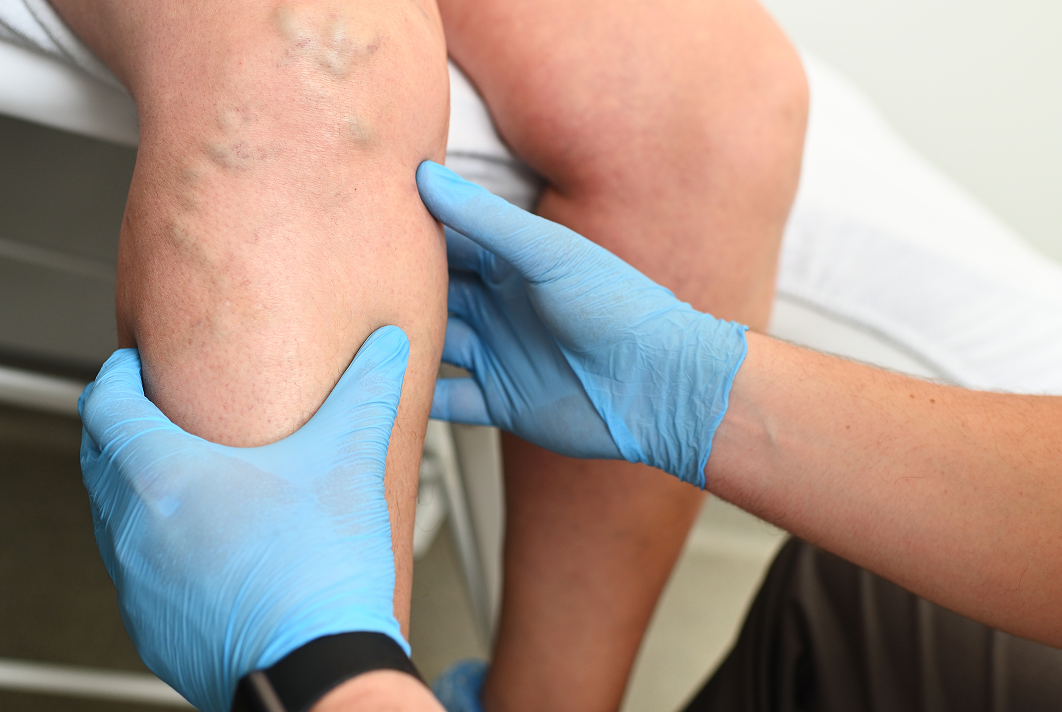
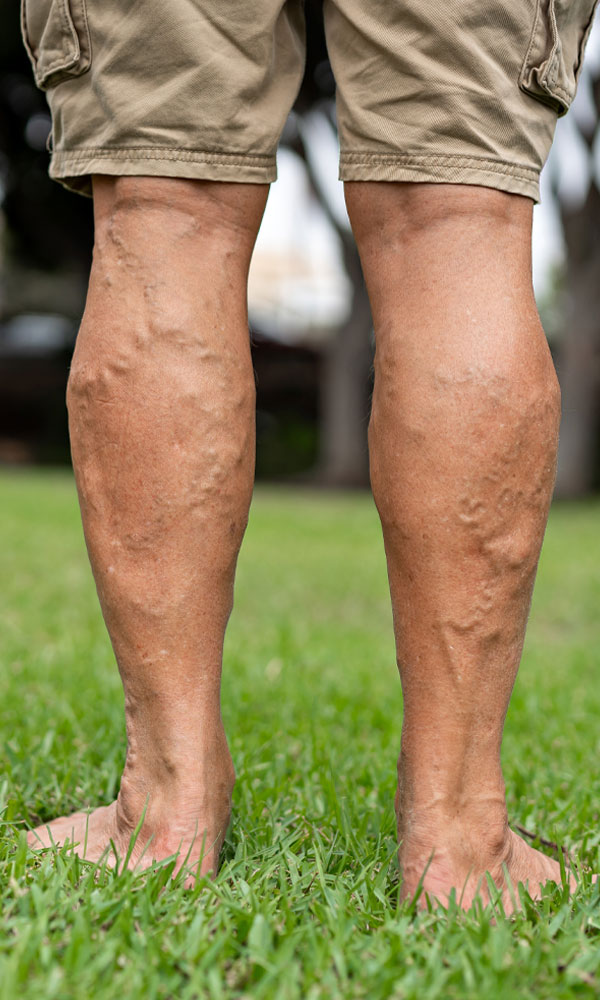
Many people on Long Island suffer from the existence of varicose veins. These twisted, bulging veins may make you feel self-conscious about how your legs look, and you may find yourself changing your wardrobe or avoiding certain activities due to their appearance. If your veins are symptomatic, you may also struggle with pain, swelling, fatigue, throbbing, itching, burning, and other unpleasant sensations that disrupt your life.
There is hope for all at the Varicose Vein Center in Port Jefferson. Dr. Jerry G. Ninia has helped thousands of patients find relief from uncomfortable and unsightly varicose veins and enjoy their lives again.
Varicose veins usually appear as a result of an odd or abnormal blood flow. The veins in your body are meant to bring blood from your tissues to your heart to get oxygen. When your venous system works correctly, blood flows consistently in this direction thanks to a series of one-way valves that prevent backflow.
Sometimes, blood can flow in the wrong direction. This happens most frequently in the legs, where the blood flow has to fight gravity to return blood to the heart. If the one-way valves break down, blood is allowed to spill backward and pool in the veins (a process called venous reflux), causing them to enlarge. Eventually, the vein expands enough to be seen protruding from the surface of the skin. It then becomes a reticular vein (1-3 mm) or varicose vein (3+ mm) depending on its size.
When you’re ready to treat a varicose vein, you want someone who’s done it thousands of times — not someone who does it occasionally between other procedures. That specialized expertise makes all the difference in your recovery and results.
Here’s why patients choose the Varicose Vein Center for varicose vein treatment on Long Island:
There are many different kinds of varicose vein treatment available on Long Island. Many are very standard outpatient procedures. Some of the most popular methods of varicose vein treatment and varicose vein removal are:
Compression socks or stockings are a great way to practice varicose vein prevention. They can also be effective in supporting an in-office varicose vein treatment.
Sclerotherapy treats smaller varicose veins by injecting a solution into the affected vein, causing it to collapse and be absorbed by the body. It’s often used in combination with other treatments to clear residual veins after deeper issues are addressed.
Endolaser vein therapy is a minimally invasive procedure for large and symptomatic varicose veins. This treatment is very helpful to people who are concerned about forming blood clots in their varicose veins. Thermal ablation is also effective in mitigating the symptoms of insufficient veins.
VenaSeal is a unique, nonthermal treatment that uses medical adhesive to close problem veins. Because it doesn’t rely on heat or multiple injections, it typically causes less bruising and does not require the patient to wear compression stockings post-procedure. Most people return to normal activity the same day.
Varithena is a prescription foam that’s injected into diseased veins. The foam gently displaces blood, causing the vein to close. It’s a great option for patients with complex, twisted vein patterns that are hard to reach with a laser or for those seeking a non-thermal alternative.
Surgical varicose vein removal, or phlebectomy: This is one of the surest ways to remove varicose veins. Phlebectomy is a minimally invasive procedure that uses a small scalpel or needle to remove varicose veins that lie just beneath the surface of the skin through a small incision.
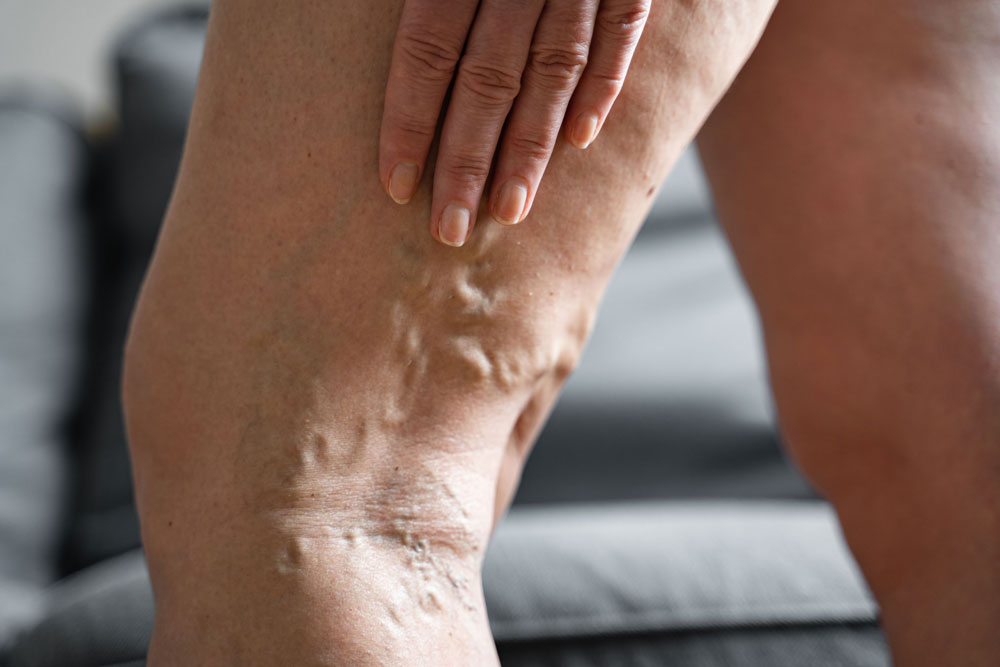
Feeling self-conscious about the appearance of your legs is reason enough to seek treatment for varicose veins. However, they are not just an issue of aesthetics. There are unpleasant symptoms and health conditions related to them as well.
As time goes on, varicose veins tend to get worse. While many people wait until the symptoms become severe, early treatment can prevent complications and improve your quality of life sooner than you might expect.
We believe no one should have to live with daily discomfort or avoid activities they enjoy because of their legs. If you’re wondering whether varicose vein treatment is worth it, Dr. Ninia will give you forthright information about your options and help you choose a path forward.
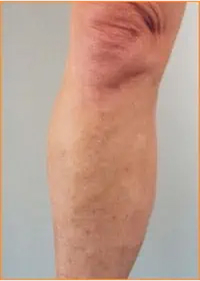
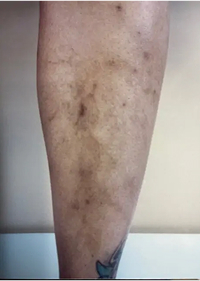
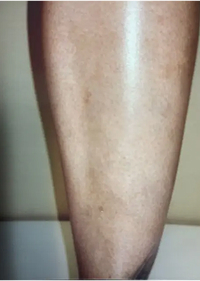
Prevention isn’t always possible, especially if varicose veins run in your family, but the right lifestyle choices can slow their progression and reduce your symptoms.
Your calf muscles are your body’s second heart, pumping blood back up your legs with every step. Regular low-impact movement like walking, swimming, or cycling keeps this pump working efficiently. Even simple ankle flexes while sitting at your desk make a difference.
Be mindful of keeping your weight at the level that is healthiest for you. Extra weight puts more pressure on your leg veins and forces them to work harder against gravity. If losing weight would be beneficial for your venous health, focus on making sustainable changes. Crash diets or excessive exercise are ultimately unhelpful.
Compression stockings apply graduated pressure from ankle to thigh, giving your veins extra support throughout the day. They are especially helpful if you stand or sit for long periods at work. While they may not prevent varicose veins, they can slow their progression and alleviate symptoms.
Fitted leggings or jeans might look great, but tight clothing around your waist, groin, or legs can restrict blood flow. High heels can also limit your calf muscle pump action. Save the stilettos for special occasions and choose comfortable, supportive footwear for daily wear.
If your job keeps you on your feet all day, take sitting breaks when possible. If you primarily work at a desk, stand and stretch every hour. At home, prop your legs above heart level for 15 minutes to help blood flow back to your heart. Small position changes throughout the day prevent blood from pooling.
Too much salt leads to water retention and swelling, which increases pressure in your veins. You don’t need to eliminate salt entirely, but cutting back on processed foods and restaurant meals can reduce the burden on your circulatory system.
Varicose veins and spider veins are distinctly different problems that require different treatments.
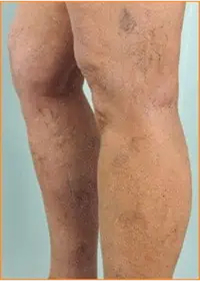
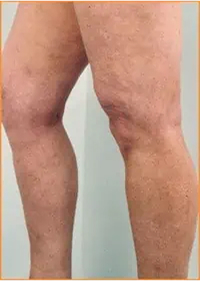
Spider veins are the small (less than 1 mm wide), flat vessels that create red, purple, or blue web-like patterns just beneath your skin. You can see them, but you can’t feel them when you run your hand over your skin. Spider veins are purely cosmetic.
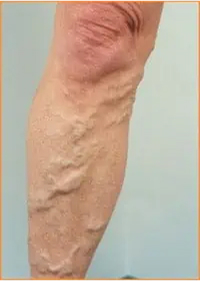
Varicose veins are raised, twisted vessels that bulge outward from your leg. They measure 3 millimeters or larger, and they often come with symptoms like aching, throbbing, burning, itching, cramping, and a heavy, tired feeling that gets worse as the day goes on.
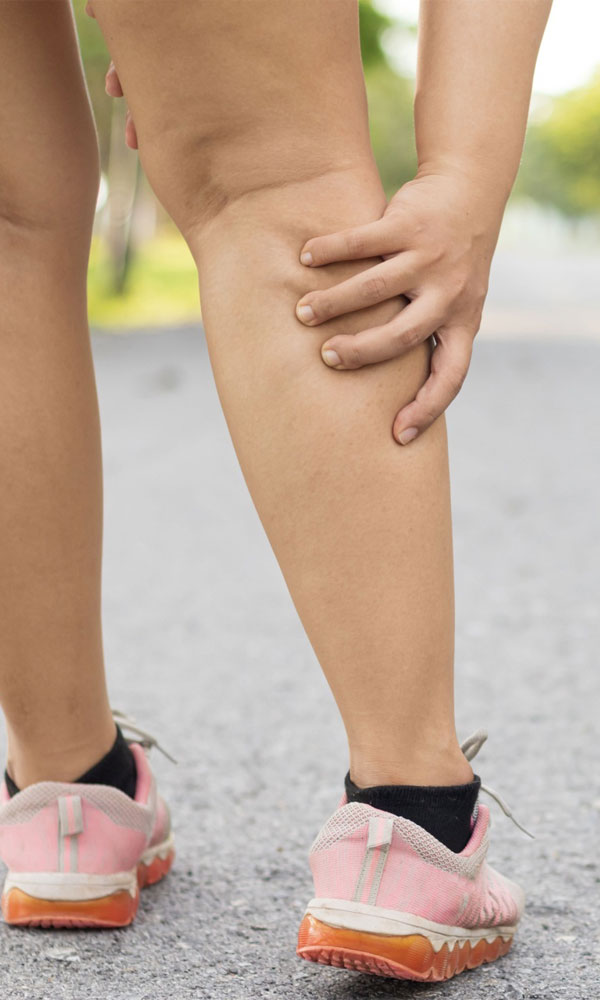
This is a question each patient needs to ask themselves and decide on their own. If you are experiencing pain or discomfort from the presence of varicose veins, you may want to consider coming to the Varicose Vein Center for an evaluation. Our team is here for you to help you decide if varicose vein removal is the right step for you to take.
You may be a good candidate if you experience:
We offer a wide range of treatment options that can help you alleviate the discomfort of varicose veins. If the pain or discomfort is interfering with your day to day abilities, give us a call and we will gladly book a consultation for you.

Dr. Jerry Ninia brings over 30 years of hands-on experience to every treatment. He combines world-class expertise with the personal attention and honest, down-to-earth care you’d expect from a trusted neighborhood doctor.
Asked By You, Answered By Dr. Ninia
Yes, when it’s medically necessary. Insurance providers usually require that we document your symptoms and show that you’ve tried conservative treatments like compression stockings for a few months first. My staff are experts at working with insurance companies. We’ll verify your benefits before any procedure.
Women develop varicose veins about twice as often as men, especially after multiple pregnancies. Genetics plays a role, too. If a parent or grandparent had varicose veins, you are much more likely to develop them yourself. Age is another factor. By 60, about half of all people have some degree of varicose veins.
When you come in, I start with a visual examination. Varicose veins are easy to identify when they’re bulging from your legs. But that’s not the end of your evaluation. I perform a diagnostic ultrasound because the veins you see are often connected to deeper problems you can’t see. The imaging helps me see exactly what’s going on in your legs so I can create your treatment plan.
Once I remove a varicose vein, that specific vein is gone for good. However, you can develop new varicose veins in the future, especially if you have underlying venous insufficiency or genetic factors at play. That’s why I always address the root cause, not just the visible veins.
Most patients are surprised how comfortable the procedures are. I use local anesthetic, so you might feel some pressure or tugging sensations, but not pain. Afterward, you’ll have some soreness and bruising for a few days, but nothing that over-the-counter pain relievers can’t handle. Today’s procedures are a far cry from the old vein stripping surgeries that gave vein removal such a bad reputation.
Varicose veins don’t get better on their own. In fact, they progressively worsen. What starts as cosmetic concerns and mild discomfort can progress to serious conditions with risks to your health. You don’t have to rush into treatment, but ignoring symptoms for years often leads to more complex problems that are harder to address safely and effectively.
Whether you’re tired of hiding your legs, exhausted from daily discomfort, or worried about your symptoms getting worse, you deserve straight answers about your options.
Request your consultation with Dr. Jerry G. Ninia today and discover the vein treatment that can help you feel good in your skin again.