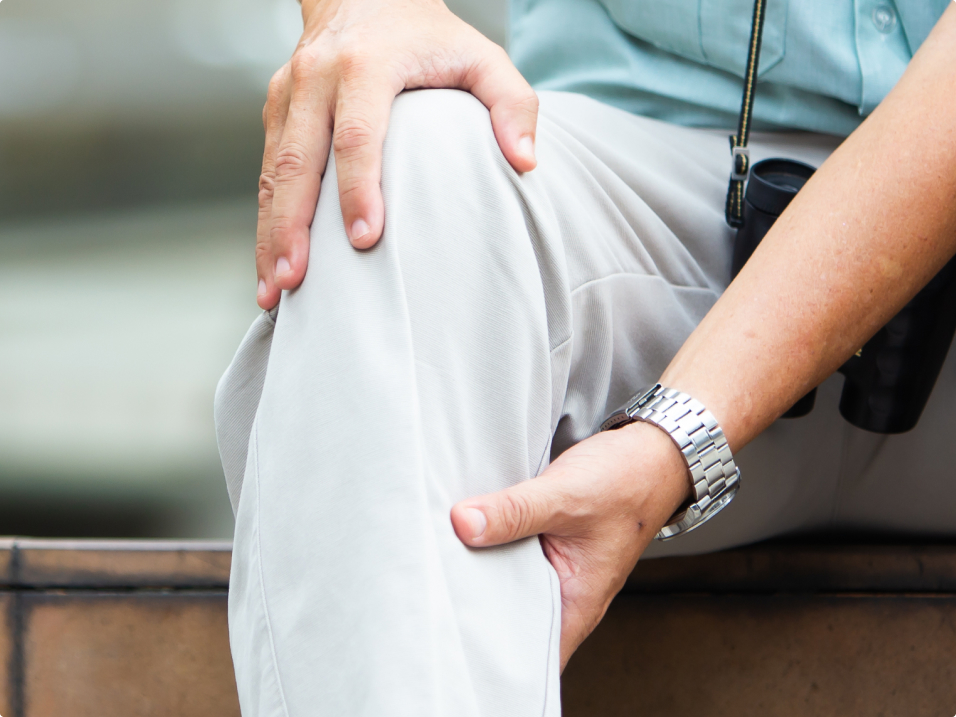
Do your legs feel like they’re working against you? Maybe they ache after a normal workday, swell by evening, or feel so heavy you can barely make it up the stairs. These symptoms often signal an underlying vein issue that gets progressively worse without treatment. At the Varicose Vein Center in Port Jefferson Village, Dr. Jerry G. Ninia has spent over three decades helping Long Island residents find relief from leg discomfort and improve their vein health.
Why Do Venous
Leg Symptoms Occur?
Venous leg symptoms occur when your leg veins struggle to return blood back to your heart. This causes blood to pool in your legs, increasing pressure in your veins and leading to a constellation of uncomfortable symptoms.
The four primary venous leg symptoms — pain, swelling, heaviness, and fatigue — rarely occur in isolation. Most patients experience a combination that fluctuates in intensity based on activity level, time of day, and how long they’ve been dealing with untreated vein disease.
When leg swelling is not due to venous problems, lymphedema may be the cause. Lymphedema occurs when lymphatic fluid that’s normally drained through the body’s lymphatic system accumulates in the tissues. Some patients develop both lymphedema and chronic venous insufficiency.
What Are the Leg-Related Symptoms of Venous Insufficiency?
Chronic venous insufficiency can affect your legs and feet in various ways.
These symptoms are mildest first thing in the morning and get progressively worse as the day goes on. By evening, what started as mild discomfort may interfere with your quality of life significantly. The discomfort often improves when you elevate your legs above heart level.
You might experience:
- Aching or tired legs that feel worse after standing
- Swelling in your lower legs and ankles, especially at the end of the day
- Fatigue or heaviness in your legs that feels like you’re carrying extra weight
- Throbbing sensations that pulse through your calves
- Burning, tingling, or “pins and needles” sensations
- Restricted range of motion due to leg swelling
- Leg cramps at night or muscle spasms (charley horses)
- Restless leg syndrome (an urge to constantly move your legs)
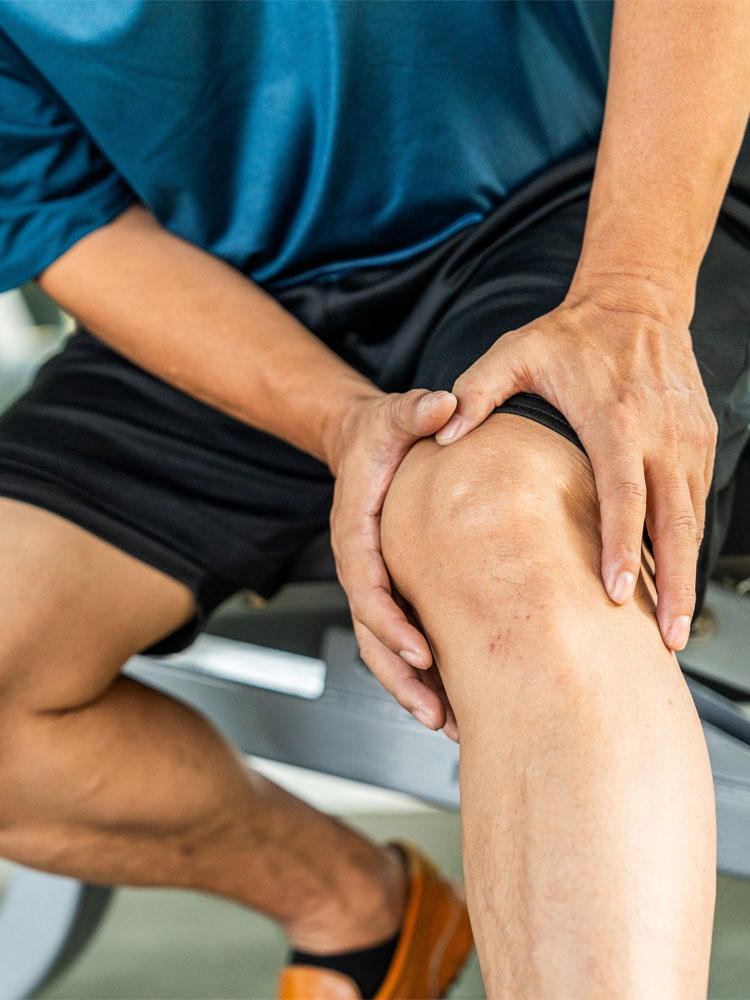
What Causes Leg Pain, Swelling, Heaviness and Fatigue?
Your leg veins contain one-way valves that keep blood flowing upward toward your heart. When these valves weaken or become damaged, blood flows backward and pools in your legs. This condition, called venous insufficiency or venous reflux, allows pressure to build in your veins.
The longer you have your feet down during the day, the more blood pools in your veins and the higher the pressure becomes. The increased pressure forces fluid through the vein walls into surrounding tissues, leading to swelling, pain, heaviness, and an exhausted feeling in your legs.
Various factors can trigger or worsen these symptoms:
- Long periods of standing or sitting at work
- Pregnancy (especially multiple pregnancies)
- Lack of regular exercise
- Being overweight or obese
- Natural aging of vein valves
- Family history of vein problems
- Previous leg injuries or surgeries
How Are Venous Leg Symptoms Treated?
At the Varicose Vein Center, we offer comprehensive treatment options that provide both rapid symptom relief and improvement in long-term vein health.
Conservative Management
Initial treatment often includes lifestyle modifications such as leg elevation for 30 minutes at least three times daily, regular walking to improve circulation, and compression therapy to support blood flow. While these measures help manage symptoms, they don’t fix the underlying valve issues.
VenaSeal
VenaSeal uses medical adhesive to close diseased veins. Most patients experience an immediate easing of symptoms as blood reroutes through healthier vessels.
Varithena
The Varithena foam sclerotherapy treatment displaces blood in the problematic vein and causes it to collapse, eliminating the backward flow that creates pressure and symptoms.
Laser Vein Ablation
Endolaser vein treatment uses heat to seal faulty veins from the inside. The procedure takes less than an hour and provides rapid symptom improvement.
Ambulatory Phlebectomy
Ambulatory phlebectomy is a minimally invasive procedure used to remove varicose veins near the surface of the skin. It’s done through small punctures and relieves symptoms quickly.
Book Your Consultation at the Varicose Vein Center
Don’t let another day end with swollen, aching legs. Contact the Varicose Vein Center in Port Jefferson Village today at 631-474-1414 or complete our online form to schedule a comprehensive vein evaluation with Dr. Ninia. The sooner you start treatment, the sooner you can get back to living comfortably.
Give us a call
Monday - Friday
9:00 a.m. - 5:00 p.m.
405 E Main Street
Port Jefferson, NY 11777