At the Varicose Vein Center, Dr. Jerry G. Ninia helps patients understand the full picture of their vein health, from the tiniest spider veins to the most prominent varicose veins. Although they might seem like completely different problems, these two types of visible blood vessels are branches of the same family tree. Both can be disruptive in their own ways.
What Are Spider Veins and Varicose Veins?
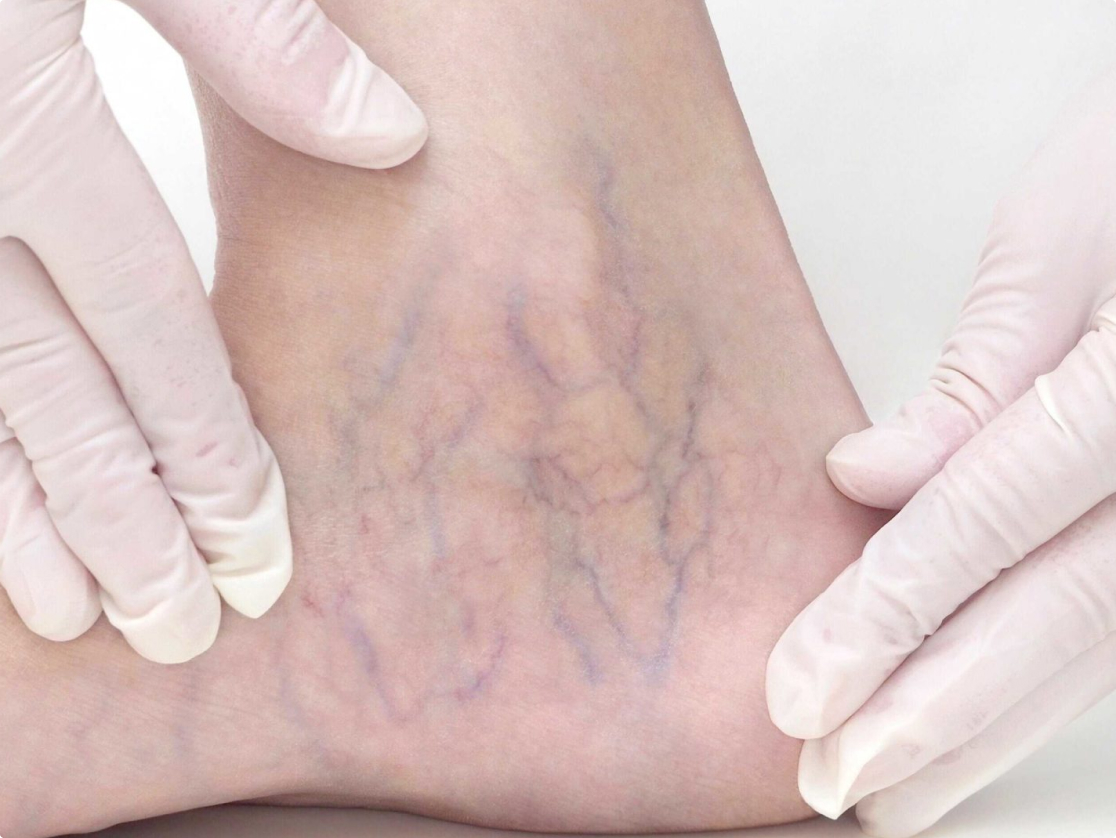
Spider veins are the flattest and smallest visible vessels (less than 1 millimeter in diameter). They sit close to your skin’s surface, creating red, purple, or blue patterns that resemble spider webs or tree branches.
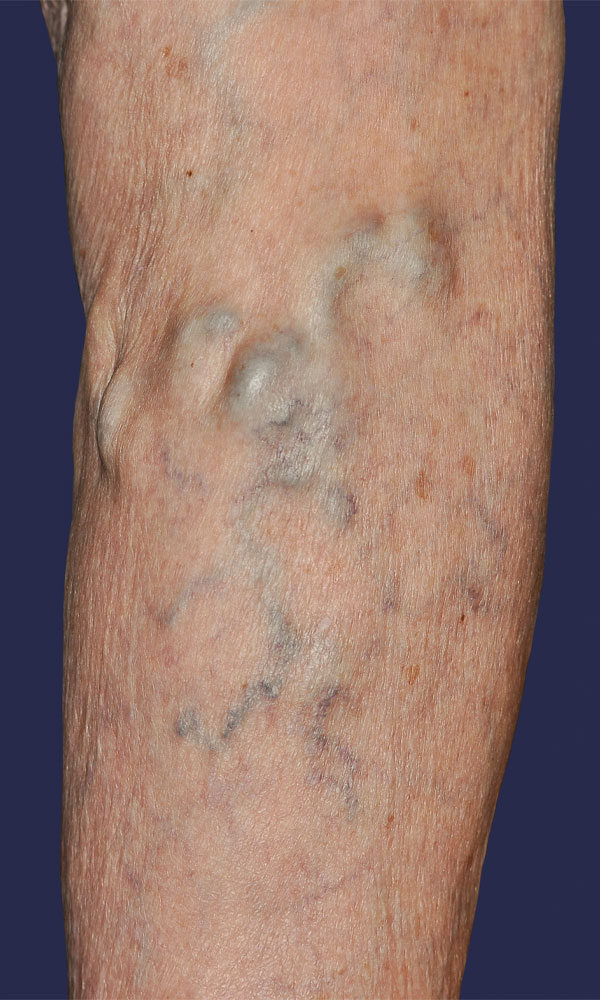
Varicose veins measure more than 3 millimeters in diameter. In addition to being significantly larger than spider veins, they push outward, creating twisted, rope-like bulges that protrude from the skin surface.
Some varicose veins have accompanying symptoms, like swelling, itching, burning, fatigue or a feeling of heaviness in your legs.
Between spider veins and varicose veins in size are reticular veins. These “feeder veins” measure 1 to 3 millimeters and often supply blood to spider vein clusters.
What Are the Symptoms of These Visible Veins?
The symptoms you experience depend on which type of veins you have and how extensive they are.
Spider veins are a cosmetic concern. Although they are not harmful, you may choose to remove them because you do not like the way they look.
Varicose veins also have a significant aesthetic impact, but they may come with uncomfortable symptoms, too. You might experience:
- Visible bulging that worsens when standing
- Aching or throbbing pain in your legs
- Swelling around your ankles
- Leg heaviness that increases throughout the day
- Restlessness or cramping, especially at night
- Skin changes, including darkening or hardening
- Bleeding if the vein is bumped or scratched
- Warmth or inflammation over the vein
What Causes Spider Veins and Varicose Veins?
Your veins contain one-way valves that act like tiny doors, opening to let blood flow toward your heart and closing to prevent it from flowing backward. When these valves weaken or fail, blood begins to pool in your veins, creating increased pressure that leads to visible vein problems.
Think of your venous system like a river network. When dams (valves) fail upstream, water (blood) backs up and overflows into smaller tributaries. The main river swells and becomes distorted (varicose veins), while the overflow creates new channels and pools in surrounding areas (spider and reticular veins).
The progression from normal veins to visible vein disease follows a predictable pattern. First, valve dysfunction creates localized areas of increased pressure. This pressure stretches vein walls, which gradually lose their elasticity. As larger veins fail, the pressure cascades down to smaller vessels, creating the mixed patterns of spider veins and varicose veins that many patients develop.
Multiple factors contribute to valve failure and vein wall weakness:
- Genetics: If your parents had visible veins, you’re more likely to develop them
- Age: Vein walls and valves naturally weaken over time
- Hormones: Estrogen and progesterone can relax vein walls
- Pregnancy: Increased blood volume and pelvic pressure strain veins
- Extended standing or sitting: Prolonged positions increase vein pressure
- Weight: Extra pounds add pressure to leg veins
- Previous blood clots: Can permanently damage valves
- Sun exposure: Breaks down collagen in your skin
How Are Spider Veins & Varicose Veins Treated?
Treatment approaches vary based on the location, type, and severity of your visible veins. Dr. Ninia develops a personalized treatment plan that addresses both your cosmetic concerns and any underlying vein disease.
Assessment and Diagnosis
Before any treatment begins, Dr. Ninia conducts a comprehensive evaluation to determine the full extent of your vein problems. This includes visual examination, symptom assessment, medical history, and diagnostic ultrasound imaging to look for hidden issues that might contribute to your visible veins.
Sclerotherapy
Sclerotherapy is the gold standard for treating spider veins. A solution injected into the vein causes it to collapse and fade. This office-based procedure requires minimal to no downtime and can address multiple veins in a single session.
VenaSeal
VenaSeal uses medical adhesive to permanently close diseased vessels. It’s a quick, gentle procedure that allows most patients to resume their normal routine immediately.
Varithena
Varithena is a minimally invasive, nonsurgical foam treatment for visible veins of various sizes. With little to no downtime, Varithena improves both the appearance and symptoms of varicose veins.
Laser Vein Ablation
Endovenous laser treatment (EVLT) addresses the root cause of many varicose veins by sealing faulty saphenous veins from within. The treated veins fade over the course of a few weeks.
Ambulatory Phlebectomy
This outpatient procedure removes varicose veins through tiny skin openings. It’s performed under local anesthesia and leaves minimal scarring, making it a great option for veins that don’t respond to less invasive treatments.
Book Your Consultation at the Varicose Vein Center
Don’t wait for your visible veins to multiply or worsen. Contact the Varicose Vein Center in Port Jefferson Village at 631-474-1414 or schedule your consultation online. Whether you’re dealing with a few spider veins, bulging varicose veins, or a combination of both, you deserve clear answers about what’s happening in your legs and what can be done about it.
Give us a call
Monday - Friday
9:00 a.m. - 5:00 p.m.
405 E Main Street
Port Jefferson, NY 11777