Your legs may tell you the most about your vein health right as the weather starts to get warmer. When temperatures rise, certain symptoms like leg swelling and heaviness may be harder to ignore, especially as your activity levels increase.
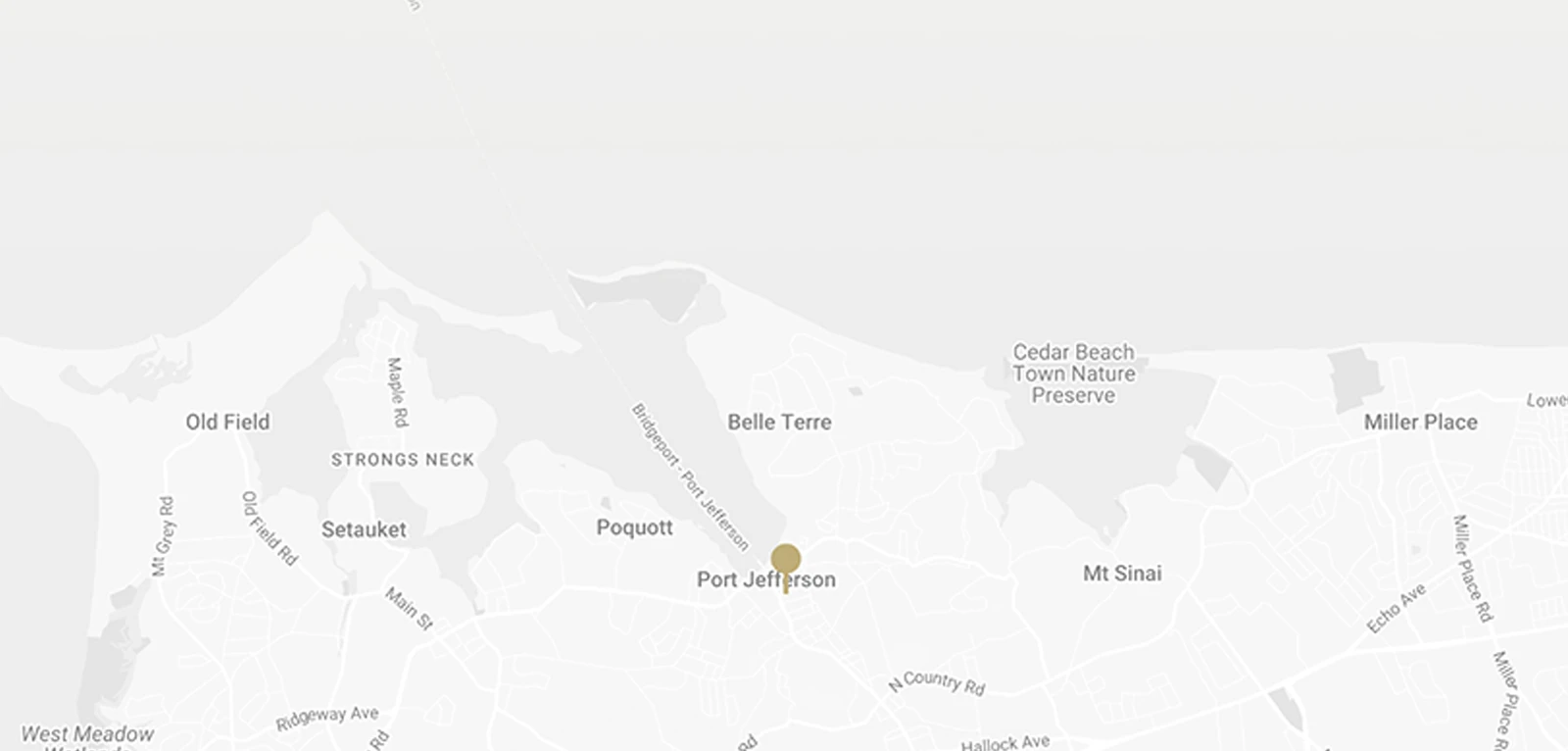
At the Varicose Vein Center in Port Jefferson, NY, spring can be one of the busiest times of the year for new patient evaluations. Here are five habits that you can incorporate year-round to improve your circulation and help you spot the signs that it may be time for your own professional evaluation with Dr. Ninia.
Habit One: Move Your Legs With Intention
Why Walking Is Not Enough on Its Own
Walking is helpful, but the pace and terrain make a difference. A brisk walk or a walk with elevation changes activates your muscles better than a stroll on flat terrain. Proper venous return depends on how forcefully your muscles contract around the deep veins.
The Calf Muscle Pump
Your calf muscles are a built-in compression system for your veins. Each time the muscles contract, they squeeze the deep veins in your lower leg and push blood upward toward your heart. When the muscles relax again, the veins refill. This cycle is the primary mechanism that moves blood out of your legs, against gravity. Good exercises for engaging your calves are heel raises, cycling and stair climbing.
The Worst Positions for Venous Return (and How to Break the Habit)
Prolonged sitting with your legs crossed or tucked beneath you compresses veins at the knee and hip and restricts blood flow. Standing still in one position for a long time is equally problematic because your calf muscles are never engaged. If your work keeps you in one position for hours, set a reminder to stand up and flex your ankles or do under-the-desk exercises for one to two minutes every half hour. While sitting, try small calf contractions, such as pressing the balls of your feet into the floor or lifting and lowering your feet at the ankles.
Habit Two: Rethink What You’re Wearing on Your Legs
How Compression Garments Work
Graduated compression stockings apply the most pressure at the ankle and gradually decrease the pressure toward the knee or thigh. This gradient counteracts the effect of gravity and helps blood flow upward more efficiently. Daily compression wear can reduce symptoms like leg heaviness, swelling and fatigue for people with early vein disease or a family history of varicose veins.
When Compression Is Not a Substitute for Treatment
Compression manages symptoms, but does not fix the underlying valve failure. If you are wearing compression daily just to get through the day without pain, this is a sign that your vein disease may have progressed to the point of needing additional treatments. A diagnostic ultrasound can reveal exactly what’s happening beneath the skin and help determine whether treatment is warranted.
Habit Three: Hydrate and Eat for Blood Viscosity
Blood viscosity refers to how thick or thin your blood is, and it affects how easily it flows through your veins. Dehydration thickens the blood and makes it move more sluggishly, which also increases the workload on the vein valves that are already compromised. Drinking enough water every day helps keep your blood at a viscosity that supports healthy circulation.
Foods that are high in sodium can cause fluid retention and increase pressure inside the veins. On the other hand, a diet rich in fiber, potassium and antioxidants regulates fluid balance and keeps your veins healthy. You can find these nutrients in foods like berries, citrus fruits, leafy greens and dark chocolate. Simply reducing your processed food intake and replacing sugary drinks with water can improve how your legs feel by the end of the day.
Habit Four: Elevate
Elevation uses gravity in your favor. When you raise your legs above heart level, any blood that has pooled in the lower veins can drain more easily back toward the heart without any muscular effort. 15-20 minutes of elevation after a long day will noticeably reduce swelling and discomfort. To do this, lie down and rest your legs on a pillow or against a wall so that your feet are above the level of your chest.
Habit Five: Do a Visual and Symptomatic Check Each Spring
- Visible Surface Changes: New spider veins, small clusters of blue or purple veins, or bulging veins that were not there last year are signs that venous pressure is increasing.
- Aching or Heaviness at End of Day: Occasional leg fatigue after a long day is normal. Consistent heaviness, aching or throbbing in the same areas each evening suggests that blood is pooling in veins that are not draining efficiently.
- Swelling Around the Ankles: Pay attention to sock lines. If your socks are leaving deeper impressions than they used to, or if one ankle seems puffier than the other, fluid is accumulating in a way that warrants further evaluation.
- Skin Changes: Darkening or discoloration around the ankles, dry or itchy patches that do not respond to moisturizer, or skin that feels harder than the surrounding area can all indicate chronic venous insufficiency.
- Restless or Burning Legs: An urge to move your legs at night, or a burning sensation that gets worse when you stay still for a long time, can be linked to poor venous circulation. If these sensations are new or getting worse, a vein evaluation can determine whether venous reflux is the cause.
Learn more about the symptoms of vein disease.
What to Do About Existing Varicose Veins
If your spring check reveals veins that are already bulging, painful or causing skin changes, Dr. Ninia may recommend varicose vein treatment. He has been practicing vein medicine even before techniques like endolaser therapy and VenaSeal™ replaced surgical vein stripping, and he has been a leader and educator in minimally invasive treatments since. These treatments are performed in the office, require no general anesthesia and allow most patients to return to their normal routine the same day.
When to Stop Waiting and Schedule a Vein Evaluation in Port Jefferson, NY
Many patients wait years before seeking a professional evaluation, often because they assume varicose veins are cosmetic or that treatment requires surgery. Neither is true. Vein disease is a medical condition, and the treatments available today are far simpler than most patients expect.
If any of the signs listed above sound familiar, or if you’ve been managing symptoms with compression stockings and elevation without lasting improvement, a vein evaluation is a reasonable next step.
At the Varicose Vein Center, Dr. Ninia personally performs every consultation and diagnostic ultrasound, so you’ll get a clear picture of your vein health from someone with over three decades of hands-on experience. Call 631-474-1414 or contact us online to schedule your evaluation.